
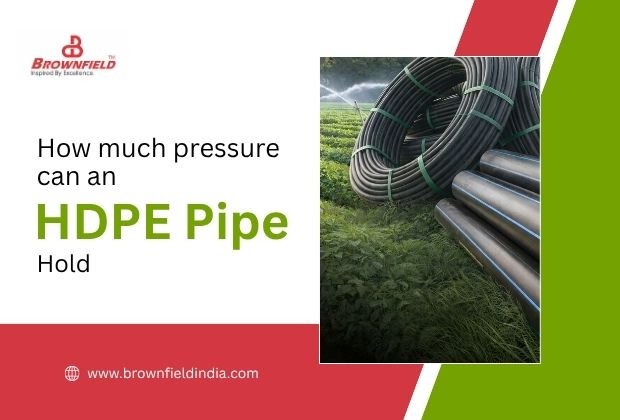
Water flow and pipe strength are very important in farming and water systems. Many farmers and users choose HDPE pipes in Indore because they are strong, flexible, and long-lasting. These pipes are used in irrigation, water supply, and drainage systems.
An HDPE pipe can handle different pressure levels depending on its thickness and design. Understanding pressure helps avoid pipe damage and improves system performance. In simple words, the right pipe ensures smooth water flow and long life. In this guide, you will learn everything about HDPE pipe pressure in a simple and clear way.
What is HDPE Pipe Pressure and Why It Matters
HDPE pipe pressure means how much force the pipe can handle safely without breaking. It is usually measured in PSI or bar.
Using HDPE pipe manufacturers in Indore helps in choosing reliable pipes for farming and water systems.
- Pressure ensures proper water flow
- Prevents pipe damage and leakage
- Improves irrigation efficiency
- Supports long-term use
- Reduces maintenance cost
When pressure is too high, pipes may burst. When pressure is too low, water may not reach all plants. That is why understanding pressure is very important.
HDPE pipes are designed to handle different pressure levels. Choosing the correct pipe improves performance and avoids problems.
How HDPE Pipe Pressure Rating Works
HDPE pipes use SDR rating to show pressure capacity. SDR means Standard Dimension Ratio, which is related to pipe thickness.
Using HDPE pipes suppliers in Indore helps farmers select the correct pipe.
- Lower SDR means thicker pipe
- Thicker pipe handles higher pressure
- Higher SDR means lower strength
- Pressure rating depends on SDR
- Tested for safety and durability
This explains how much pressure an HDPE pipe can withstand. For example, SDR 11 pipes can handle more pressure than SDR 17 pipes.
Understanding SDR rating helps users select the right pipe for irrigation systems and water supply.
Factors That Affect HDPE Pipe Strength
Many factors affect how strong an HDPE pipe is. These factors must be considered before using the pipe.
Using HDPE pipe fittings in indore ensures proper connection and better performance.
- Pipe diameter affects pressure capacity
- Wall thickness increases strength
- Material quality improves durability
- Temperature reduces pressure tolerance
- Installation quality affects performance
These factors decide the pressure rating of HDPE pipes. Ignoring them can cause pipe damage.
Farmers should always choose pipes based on their needs and conditions.
HDPE Pipe Pressure Capacity Table
The table below helps understand pressure capacity based on SDR rating.
Using HDPE pipes suppliers helps in getting accurate pipe specifications.
| SDR Rating | Pressure Capacity |
| SDR 11 | High pressure |
| SDR 13.6 | Medium-high pressure |
| SDR 17 | Medium pressure |
| SDR 21 | Low pressure |
- Lower SDR means higher strength
- Higher SDR means lower pressure capacity
- Choose pipe based on water pressure
- Always check specifications
- Ensure proper installation
This table explains HDPE pipe pressure capacity based on SDR in a simple way.
How Temperature Affects HDPE Pipe Pressure
Temperature plays a big role in pipe performance. HDPE pipes behave differently in hot and cold conditions.
Using HDPE fittings in indore helps maintain durability.
- High temperature reduces pipe strength
- Cold temperature improves strength
- Sunlight affects pipe life
- Pressure capacity decreases in heat
- Proper storage increases durability
This explains what PSI can HDPE pipe handle safely under different conditions.
Farmers should consider weather conditions when selecting pipes for irrigation.
Benefits of HDPE Pipes in Agriculture
HDPE pipes provide many benefits for farming and irrigation systems.
Using HDPE manufacturer products ensures better quality and performance.
- Flexible and easy to install
- Resistant to rust and chemicals
- Long lifespan
- Leak-proof joints
- Cost-effective solution
These benefits improve polyethylene pipe performance and make HDPE pipes popular in agriculture.
They help farmers manage water efficiently and improve crop growth.
Applications of HDPE Pipes in Farming
HDPE pipes are used in many agricultural applications because of their flexibility and strength.
Using HDPE coil pipe manufacturers helps farmers get reliable pipes.
- Drip irrigation systems
- Sprinkler irrigation systems
- Water supply systems
- Drainage systems
- Field irrigation networks
These applications show how useful HDPE pipes are in modern farming.
They support efficient water use and improve productivity.
Common Problems and Solutions
HDPE pipes may face some problems if not used correctly. Understanding these issues helps in avoiding damage.
Using HDPE coils manufacturers ensures better pipe quality.
- Pipe damage due to high pressure
- Leakage from poor joints
- Damage from sunlight exposure
- Incorrect pipe selection
- Poor installation
Solutions:
- Choose correct SDR rating
- Install pipes properly
- Use high-quality fittings
- Protect pipes from sunlight
- Perform regular maintenance
These steps help improve pipe life and performance.
FAQ’s About HDPE pipe
- What is HDPE pipe
HDPE pipe is a strong plastic pipe used for water supply, irrigation, and drainage systems due to durability and flexibility. - Does HDPE pipe handle high pressure
Yes, HDPE pipes can handle high pressure depending on SDR rating, pipe thickness, and proper installation conditions in irrigation systems. - Is HDPE pipe durable
HDPE pipes are highly durable, resistant to corrosion, and can last many years when used properly in water supply and irrigation systems. - Does temperature affect HDPE pipes
Yes, high temperatures reduce pipe strength and pressure capacity, while cooler conditions help maintain better performance and durability in HDPE pipes. - What is SDR rating
SDR rating shows the ratio between pipe diameter and wall thickness, helping determine strength and pressure capacity of HDPE pipes easily. - Are HDPE pipes flexible
Yes, HDPE pipes are highly flexible, allowing easy installation, bending, and resistance to cracks in different agricultural and water management applications. - Can HDPE pipes leak
HDPE pipes usually do not leak if installed properly with correct fittings, ensuring a secure and long lasting water supply system. - Where to buy HDPE pipes
You can find HDPE pipes from local suppliers, markets, or search online for trusted sellers offering quality pipes for irrigation use.
Conclusion
HDPE pipes are a reliable choice for irrigation and water systems. Their pressure capacity depends on SDR rating, pipe thickness, and environmental conditions. Understanding these factors helps users select the right pipe for their needs. Proper installation and regular maintenance improve performance and extend pipe life.
HDPE pipes are flexible, durable, and easy to install. They help ensure smooth water flow and reduce the risk of leakage or damage. These pipes are suitable for different farming applications and support efficient water use.
By choosing the correct HDPE pipe and using it properly, farmers can improve irrigation systems and crop productivity. In simple terms, HDPE pipes offer a safe, strong, and long-lasting solution for water management in agriculture.