
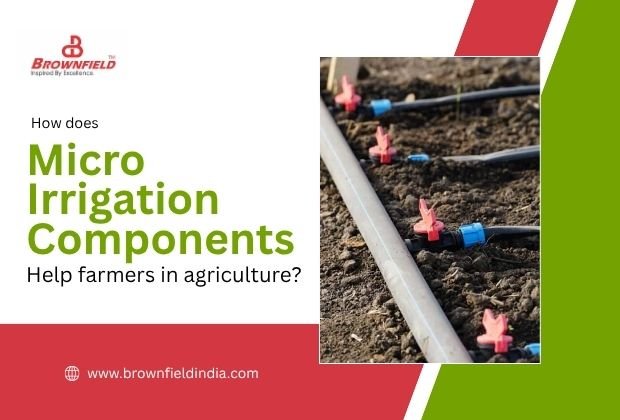
Water scarcity is one of the biggest challenges faced by farmers in India today. According to agricultural reports, nearly 60 percent of farming depends on rainfall, making irrigation systems critical for crop success. This is where Micro irrigation in Indore and other regions plays a vital role in transforming agriculture through efficient water use.
Micro irrigation is a modern approach that delivers water directly to plant roots. It helps farmers achieve better efficient water management, improved yields, and reduced costs. Farmers using Micro irrigation system suppliers Indore have seen significant improvements in productivity and sustainability.
Case Study
A farmer adopted a micro irrigation system for vegetable cultivation.
Results within one season:
- 45 percent water savings
- 30 percent increase in yield
- Reduced fertilizer usage
- Improved crop quality
This demonstrates how micro irrigation improves crop productivity in real farming conditions.
What is Micro Irrigation and How It Works
Micro irrigation is a system that delivers water in small quantities directly to plant roots. It includes drip and sprinkler systems.
Using Micro irrigation components Indore, farmers can:
- Control water flow precisely
- Reduce evaporation losses
- Improve nutrient delivery
This method is part of modern irrigation methods in agriculture.
Types of Micro Irrigation Systems
1. Drip Irrigation System
Drip irrigation delivers water directly to roots through pipes and emitters.
Benefits:
- High water efficiency
- Suitable for fruits and vegetables
- Reduces weed growth
2. Sprinkler Irrigation System
Sprinklers distribute water like rainfall.
Benefits:
- Suitable for large fields
- Even water distribution
- Easy installation
3. Subsurface Irrigation
Water is delivered below the soil surface.
Benefits:
- Reduces evaporation
- Improves root growth
- Efficient water usage
Benefits of Micro Irrigation for Farmers
1. Water Conservation in Farming
Micro irrigation reduces water wastage significantly.
- Saves up to 50 percent water
- Reduces runoff
- Improves efficiency
2. Crop Yield Improvement
Using Micro irrigation equipment Indore leads to better productivity.
- Uniform crop growth
- Better fruit quality
- Higher market value
3. Efficient Water Management
Farmers can control irrigation precisely.
- Avoid overwatering
- Improve soil moisture balance
- Enhance plant health
4. Reduced Labor Cost
Automation reduces manual work.
- Less irrigation effort
- Time-saving
- Lower labor dependency
5. Fertilizer Efficiency
Fertigation allows direct nutrient delivery.
- Reduces fertilizer wastage
- Improves absorption
- Enhances crop growth
6. Weed Control
Water is delivered only to plants.
- Reduces weed growth
- Saves herbicide cost
- Improves field conditions
7. Suitable for All Crops
Micro irrigation works for:
- Fruits
- Vegetables
- Field crops
Components of Micro Irrigation System
| Component | Function |
| Pipes | Carry water |
| Emitters | Deliver water to plants |
| Filters | Remove impurities |
| Valves | Control water flow |
| Pumps | Maintain pressure |
Farmers rely on Efficient irrigation components for agriculture for best results.
Why Micro Irrigation is Important in Sustainable Farming
Micro irrigation supports sustainable agriculture by:
- Reducing water usage
- Improving soil health
- Lowering environmental impact
This highlights the importance of micro irrigation in sustainable farming.
How Micro Irrigation Improves Crop Productivity
Using Micro irrigation in Indore helps:
- Maintain consistent soil moisture
- Improve nutrient availability
- Reduce plant stress
This directly answers how micro irrigation improves crop productivity.
Challenges in Traditional Irrigation Methods
Problems:
- Water wastage
- Uneven distribution
- Soil erosion
Solution:
- Use Micro irrigation system
- Adopt modern irrigation systems
Case Study: Large Scale Farm Success
A large farm used Micro irrigation in Indore for crop production.
Results:
- 35 percent higher yield
- 40 percent water savings
- Improved soil quality
This shows the effectiveness of modern farming irrigation.
FAQs About Micro irrigation in Indore
- What is micro irrigation?
Micro irrigation is a system that delivers water directly to plant roots efficiently. - Does micro irrigation save water?
Yes, it reduces water wastage significantly. - Is drip irrigation better than traditional irrigation?
Yes, it is more efficient and saves water. - Can micro irrigation increase yield?
Yes, it improves crop growth and productivity. - What crops benefit from micro irrigation?
Fruits, vegetables, and field crops benefit greatly. - Is micro irrigation expensive?
Initial cost is higher but long-term savings are significant. - Does micro irrigation reduce labor?
Yes, automation reduces manual effort. - Where to buy micro irrigation systems?
You can find reliable Micro irrigation system suppliers in Indore.
Final Thoughts
Using Micro irrigation in Indore is a game-changing solution for modern agriculture. It supports efficient water management, improves crop yield improvement, and ensures sustainable farming practices.
Farmers adopting this technology gain long-term benefits in productivity and profitability.