
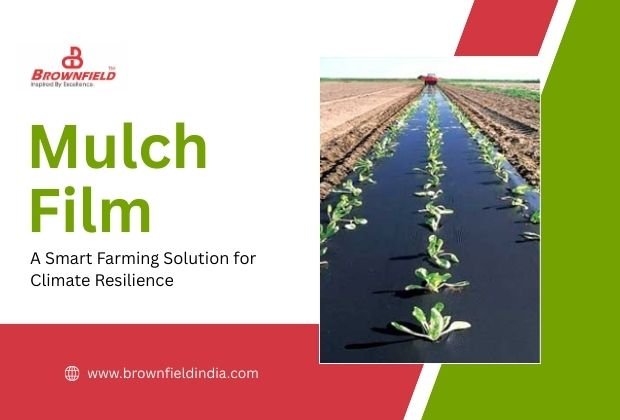
Climate change is affecting farming across many regions. Rising temperatures, irregular rainfall, and soil moisture loss are making it difficult for farmers to maintain stable crop production. Farmers are therefore adopting modern techniques that help crops survive under challenging weather conditions. One effective solution is the use of mulch film suppliers in Indore who provide materials that support efficient farming practices.
Mulching is a method where the soil around plants is covered with protective material. This layer protects soil from heat, wind, and water loss. Farmers who use mulch film often notice healthier soil and better crop growth. The film layer helps keep soil moisture stable and prevents weeds from growing around crops.
Using mulch film can also reduce the need for frequent irrigation. When soil is covered, less water evaporates from the surface. This helps farmers save water and maintain crop health during dry seasons.
Mulch film also improves soil temperature. Crops grow better when the soil temperature remains stable. By covering the soil, farmers create a protective environment that supports plant growth and improves productivity.
Because of these benefits, mulching has become an important practice in climate resilient agriculture. Farmers across different regions are now using mulch films to protect their crops from extreme weather conditions.
Understanding the Role of mulch film manufacturers in Modern Agriculture
The production of high quality mulch film plays an important role in modern farming. Mulch film manufacturers develop materials that help farmers protect crops from environmental stress while improving soil conditions.
Mulch film is designed to cover soil surfaces around plants. This protective layer reduces direct sunlight exposure on soil and prevents excessive water loss. Manufacturers produce films with different thickness levels and materials depending on the farming requirement.
Important functions of mulch film include:
• Preventing water evaporation from soil
• Protecting crops from extreme heat
• Reducing weed growth in farming areas
• Improving soil moisture retention
• Supporting healthy plant root development
Farmers who use mulch films often experience improved crop yields because soil conditions remain stable throughout the growing season.
Modern mulch films are designed to withstand sunlight, rain, and temperature changes. They are strong enough to remain effective for long crop cycles.
Manufacturers also develop films that can be used for different crops including vegetables, fruits, and horticulture plants. This allows farmers to apply mulching technology across different farming systems.
Because climate conditions are becoming unpredictable, the demand for reliable mulch film production continues to increase. High quality mulch films help farmers protect their crops while improving soil productivity.
Importance of mulch film suppliers in Agricultural Support Systems
Farmers depend on reliable supply chains to access the materials required for modern farming practices. Mulch film suppliers play a critical role in making mulching technology available to agricultural communities.
Suppliers provide mulch films that are suitable for different types of crops and soil conditions. They help farmers select the correct film thickness and type for specific farming needs.
Reliable suppliers help farmers by providing:
• Different mulch film sizes for various crops
• Guidance on proper installation of mulch film
• Support for irrigation and mulching systems
• Information on film durability and performance
• Availability of films for large and small farms
Suppliers also ensure that mulch films reach farmers in rural regions where access to agricultural materials may be limited.
Farmers benefit from suppliers because they can easily obtain mulch materials without delays during planting seasons.
Mulch film suppliers also help farmers understand the best way to apply mulching techniques in their fields. Proper installation ensures that the film remains stable and protects soil effectively.
With reliable supply systems, farmers can use mulching technology more efficiently and improve crop production.
Role of mulch film manufacturers in Indore in Regional Farming Development
Agriculture in many regions depends on locally produced materials that support efficient farming systems. Mulch film manufacturers in Indore contribute to regional agriculture by producing mulch films suitable for different climatic conditions.
These manufacturers produce films that are used in vegetable farming, horticulture, and crop cultivation. Local manufacturing also improves accessibility for farmers who need agricultural materials quickly.
Mulch films produced for regional use help farmers manage climate related challenges such as heat waves and irregular rainfall.
Important advantages of locally produced mulch film include:
• Faster supply to farming communities
• Reduced transportation delays
• Availability of region specific mulch films
• Support for local agricultural development
• Improved access for small farmers
Mulch film production also supports agricultural innovation. Manufacturers continue to improve film strength, durability, and environmental performance.
Farmers using locally produced mulch films often experience better soil protection and crop growth because the films are designed for regional farming conditions.
Local production therefore plays an important role in promoting climate resilient agriculture.
Importance of mulch film suppliers in Indore for Climate Smart Farming
Farmers who want to adopt climate resilient practices often rely on mulch film suppliers in Indore for reliable materials and technical support.
Suppliers provide films that help farmers protect crops from extreme weather conditions. These films reduce water loss from soil and help maintain stable growing conditions.
Mulch films provided by suppliers support several important farming functions.
• Soil moisture conservation
• Weed control in crop fields
• Improved soil temperature stability
• Protection from heavy rainfall impact
• Increased crop productivity
Farmers using mulch films can reduce irrigation frequency because water remains in the soil for longer periods.
Suppliers also help farmers select films suitable for vegetable farming, fruit cultivation, and greenhouse farming.
Access to reliable mulch film supply helps farmers adopt sustainable practices that improve crop health and reduce environmental stress.
Mulching is now considered an essential part of modern agriculture because it supports efficient water management and crop protection.
Benefits of agricultural mulch film for Soil Protection
Soil health is the foundation of successful farming. Agricultural mulch film helps protect soil from environmental damage while improving crop growth conditions.
Mulch film covers the soil surface and prevents direct exposure to sunlight and wind. This protective layer helps maintain soil moisture and reduces soil erosion.
Farmers who use mulch film often notice improvements in soil structure and fertility.
Major benefits of agricultural mulch film include:
• Reduced soil moisture evaporation
• Prevention of soil erosion during rainfall
• Improved soil temperature stability
• Reduced weed growth around crops
• Better crop growth and development
Mulch film also supports soil microorganisms that play an important role in plant nutrition.
When soil moisture and temperature remain stable, beneficial organisms can survive and improve soil fertility.
Another important advantage is reduced soil compaction. Mulch film protects soil from direct impact of heavy rain or irrigation water.
This helps maintain healthy soil conditions for plant roots.
Because of these benefits, agricultural mulch film is widely used in vegetable farming and horticulture.
Advantages of biodegradable mulch film for Sustainable Farming
Sustainable agriculture focuses on protecting the environment while maintaining crop productivity. Biodegradable mulch film is an innovative solution that supports environmentally friendly farming practices.
Unlike traditional plastic films, biodegradable mulch films break down naturally in soil after use. This reduces the need for manual removal and disposal.
Farmers benefit from biodegradable films because they simplify field management after harvest.
Important advantages of biodegradable mulch film include:
• Reduced plastic waste in agricultural fields
• Natural decomposition in soil
• Improved soil health over time
• Reduced labor for film removal
• Support for sustainable farming practices
Biodegradable mulch films are designed to remain stable during the crop growing period. After harvest, they gradually break down under natural soil conditions.
This technology is gaining attention among farmers who want to adopt environmentally responsible farming methods.
Biodegradable mulch films provide the same benefits as traditional mulch films while reducing long term environmental impact.
As agriculture moves toward sustainability, biodegradable mulching solutions are becoming increasingly important.
How mulch film Improves Crop Productivity
Farm productivity depends on stable soil conditions and efficient water use. Mulch film helps farmers create a protective environment that supports healthy plant growth.
The film acts as a barrier between soil and the atmosphere. This barrier reduces water evaporation and maintains soil moisture.
Farmers using mulch film often experience faster plant growth and better crop yield.
Important ways mulch film improves crop productivity include:
• Maintaining soil moisture levels
• Preventing weed competition for nutrients
• Protecting soil from temperature fluctuations
• Improving root development of crops
• Supporting uniform crop growth
Mulch film also allows farmers to manage irrigation more effectively. When soil remains moist, plants receive consistent water supply.
Crops such as tomatoes, cucumbers, strawberries, and peppers respond well to mulching techniques.
Mulch film therefore plays a key role in modern farming systems that aim to increase productivity while conserving resources.
Benefits of black plastic mulch film for Weed Control
Weed growth is one of the biggest challenges in farming. Black plastic mulch film provides an effective solution for controlling weeds without heavy use of chemicals.
Black mulch film blocks sunlight from reaching the soil surface. Without sunlight, weed seeds cannot germinate or grow.
Farmers using black mulch film often see a significant reduction in weed growth.
Advantages of black plastic mulch film include:
• Effective weed suppression
• Reduced need for herbicides
• Improved nutrient availability for crops
• Better water conservation in soil
• Cleaner crop production environment
Weed control allows crops to receive more nutrients and water from the soil. This improves plant health and growth.
Black plastic mulch film is commonly used in vegetable farming because it provides strong weed protection while supporting crop development.
Farmers also benefit from reduced labor costs because manual weed removal becomes less necessary.
Importance of plastic mulch film for Water Conservation
Water scarcity is becoming a major challenge for agriculture. Plastic mulch film helps farmers conserve water by reducing evaporation from soil surfaces.
The mulch layer acts as a protective barrier that traps moisture in the soil. This helps maintain water levels around plant roots.
Farmers using plastic mulch film can reduce irrigation frequency while maintaining healthy crops.
Key benefits of plastic mulch film include:
• Reduced water evaporation
• Improved irrigation efficiency
• Better soil moisture retention
• Reduced water consumption in farming
• Support for drought resistant agriculture
Plastic mulch film works especially well when combined with drip irrigation systems.
Drip irrigation delivers water directly to plant roots while mulch film prevents evaporation from the soil surface.
This combination allows farmers to achieve maximum water efficiency and improve crop productivity.
Advantages of black mulch film for Temperature Control
Temperature control is essential for healthy crop growth. Black mulch film helps regulate soil temperature and create a favorable environment for plant development.
The dark color of black mulch absorbs sunlight and transfers warmth to the soil.
This helps maintain stable soil temperature during cooler periods.
Benefits of black mulch film include:
• Improved soil warmth during early crop growth
• Protection from sudden temperature changes
• Faster seed germination
• Better root development
• Extended growing seasons for certain crops
Black mulch film is particularly useful in vegetable farming where early crop development is important.
Stable soil temperature helps crops grow faster and produce better yields.
Farmers using black mulch film often experience improved crop quality because plants grow in a controlled soil environment.
FAQ’s About Mulch Film Suppliers
1. How does mulching mitigate climate change?
Mulching helps store soil moisture, reduces heat stress, improves soil carbon storage, lowers irrigation demand, and supports climate resilient farming.
2. What are the benefits of mulching in agriculture?
Mulching improves soil moisture retention, reduces weed growth, stabilizes soil temperature, protects soil health, and helps crops grow better.
3. What are the benefits of mulch film?
Mulch film controls weeds, conserves soil moisture, maintains soil temperature, protects crops from extreme weather, and improves agricultural productivity.
4. Why is mulch good for the environment?
Mulch reduces soil erosion, protects soil microorganisms, conserves water, lowers chemical weed control, and supports sustainable agriculture.
5. What are five advantages of mulching?
Moisture retention, weed suppression, temperature control, soil protection, and improved crop growth are the main advantages of mulching.
6. What are the three types of mulching?
The three common types are organic mulching, inorganic mulching, and plastic mulching used in agriculture to protect soil and crops.
7. How does mulching help to improve farming?
Mulching improves soil moisture, reduces weed competition, protects soil temperature, improves root development, and increases crop productivity.
8. What is an example of mulching?
An example of mulching is covering soil around vegetable plants with straw, leaves, or plastic mulch film to conserve moisture.
9. Does mulching prevent soil pollution?
Mulching protects soil from erosion, reduces chemical weed control, improves soil health, and helps maintain a cleaner farming environment.
10. What are the advantages of mulching?
Mulching improves soil fertility, conserves water, prevents weeds, protects crops from extreme weather, and increases farm productivity.
Conclusion
Mulching has become an essential practice in modern agriculture as farmers search for reliable solutions to manage climate challenges. By using mulch film, farmers can protect soil, conserve water, and create a stable environment for crop growth. Mulching helps reduce evaporation, control weeds, and maintain soil temperature, all of which contribute to improved crop productivity.
The availability of mulch film manufacturers, mulch film suppliers, mulch film manufacturers in Indore, and mulch film suppliers in Indore has made it easier for farmers to adopt this technology. Different options such as agricultural mulch film, biodegradable mulch film, black plastic mulch film, plastic mulch film, and black mulch film provide solutions for different farming needs.
By integrating mulching practices into their farming systems, growers can improve soil health and increase resilience against climate stress. Mulch film therefore plays an important role in supporting sustainable agriculture and long term farm productivity.