
Water scarcity is one of the biggest challenges faced by farmers today. Rising temperatures, irregular rainfall, and falling groundwater levels make efficient water use more important than ever. This is where a drip irrigation system help you save water while still delivering the right amount of moisture to crops.
What Is a Drip Irrigation System?
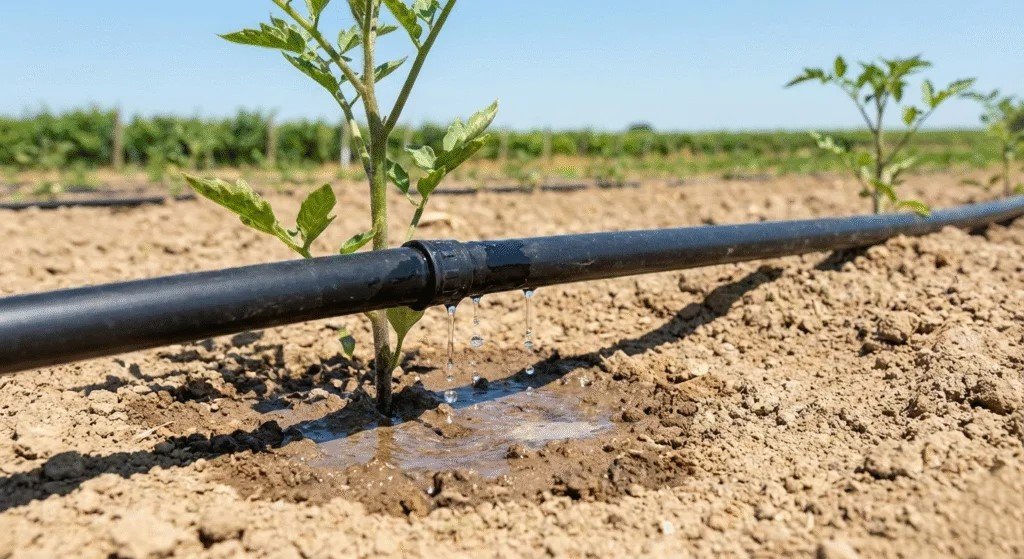
A drip irrigation system is a method of watering crops by delivering water slowly and directly to the plant roots. Water flows through pipes, tubes, and emitters placed near the base of each plant. Instead of flooding the entire field, this system targets only the required area. This precise delivery is the main reason a drip irrigation system help you save water compared to traditional irrigation methods.
Why Water Conservation Matters in Agriculture
Agriculture consumes nearly 70 percent of freshwater resources globally. In India, water stress is increasing due to population growth and climate change.
Efficient irrigation is no longer optional. It is essential. Using a drip irrigation system help you save water while protecting soil health and ensuring long-term farm productivity.
How a Drip Irrigation System Help You Save Water
The key benefit of drip irrigation is reduced water wastage. Let us understand exactly how a drip irrigation system help you save water in real farming conditions.
Key water-saving benefits include:
- Direct water delivery to roots
- Minimal evaporation losses
- No runoff or water pooling
- Reduced weed growth
- Controlled water flow
By applying water only where needed, farmers can save up to 40 to 60 percent water compared to flood irrigation.
Reduced Evaporation Losses with Drip Irrigation
In traditional irrigation, much of the water evaporates before reaching plant roots. Sunlight and wind speed increase these losses.
A drip irrigation system releases water slowly at ground level. This reduces surface exposure and ensures moisture stays in the soil. This is a major reason why a drip irrigation system help you save water even during hot seasons.
No Water Runoff or Soil Erosion
Flood irrigation often causes water to flow away from the field. This leads to runoff, soil erosion, and nutrient loss.
With drip irrigation:
- Water is absorbed gradually
- Soil structure remains intact
- Fertilizers stay near roots
This controlled approach proves how a drip irrigation system help you save water and protect soil quality.
Precise Water Application Based on Crop Needs
Different crops need different amounts of water. Overwatering damages roots and reduces yield.
A drip irrigation system allows farmers to:
- Adjust water flow
- Schedule irrigation timing
- Match crop growth stages
This precision ensures optimal hydration and explains why a drip irrigation system help you save water without affecting crop health.
Lower Weed Growth Means Less Water Loss
Weeds compete with crops for water and nutrients. Flood irrigation waters the entire field, encouraging weed growth.
Drip irrigation waters only the crop area. Dry spaces between rows limit weed growth. Less weed growth means less wasted water and better crop performance.
Drip Irrigation vs Traditional Irrigation Methods
Understanding the comparison highlights why a drip irrigation system help you save water more effectively.
Comparison overview:
- Flood irrigation wastes water through runoff
- Sprinkler systems lose water to wind drift
- Drip irrigation delivers water directly to roots
Farmers using drip systems report higher efficiency and lower water bills.
Improved Crop Yield with Less Water Use
Saving water does not mean lower productivity. In fact, drip irrigation often increases yield.
Benefits include:
- Better root development
- Consistent soil moisture
- Reduced plant stress
- Improved nutrient absorption
This balance of efficiency and productivity proves how a drip irrigation system help you save water while boosting farm income.
Fertilizer Efficiency Through Drip Irrigation
Drip systems allow fertigation. Fertilizers are mixed with irrigation water and delivered directly to roots.
Advantages:
- Reduced fertilizer wastage
- Better nutrient uptake
- Lower input costs
This method supports sustainable farming and strengthens the value of a drip irrigation system.
Suitable Crops for Drip Irrigation
Drip irrigation works well for many crops grown across India.
Common examples:
- Vegetables
- Fruits
- Cotton
- Sugarcane
- Flower crops
Farmers searching for drip irrigation near me often choose this system for both small and large farms.
Is Drip Irrigation Suitable for Indian Climate?
Yes. Drip irrigation is ideal for Indian conditions where water availability varies widely.
It works efficiently in:
- Dry regions
- Semi-arid zones
- Areas with limited groundwater
This adaptability explains why demand for a drip irrigation system in Indore and nearby regions is growing.
Initial Cost vs Long-Term Water Savings
Some farmers worry about installation costs. However, long-term savings outweigh the initial investment.
Over time, farmers save on:
- Water usage
- Electricity costs
- Fertilizers
- Labor
Choosing the Right Drip Irrigation Supplier
Quality matters when installing a drip system. A trusted Drip irrigation supplier in Indore ensures proper design, installation, and after-sales support.
Key factors to consider:
- Field assessment
- Crop-specific design
- Durable materials
- Technical support
Expert guidance maximizes water savings and system lifespan.
Maintenance Tips for Maximum Water Efficiency
Proper maintenance keeps your system efficient.
Simple practices include:
- Regular filter cleaning
- Checking emitters for clogging
- Monitoring pressure levels
- Seasonal system inspection
Well-maintained systems continue to prove how a drip irrigation system help you save water year after year.
A drip irrigation system help you save water by delivering moisture directly to plant roots, reducing evaporation, runoff, and overwatering. This targeted irrigation method improves crop yield while conserving up to 60 percent water compared to traditional methods.
Frequently Asked Questions About Drip Irrigation
1. How much water can I save with a drip irrigation system?
A properly installed drip irrigation system help you save water by reducing usage by 40 to 60 percent.
2. Is drip irrigation suitable for small farms?
Yes. Drip systems are scalable and ideal for both small and large farms.
3. Does drip irrigation work for all crops?
Most crops benefit from drip irrigation, especially fruits, vegetables, and row crops.
4. How long does a drip irrigation system last?
With proper maintenance, a quality system can last 8 to 10 years or more.
5. Where can I find a drip irrigation system near me?
You can contact Brownfield India or a certified Drip irrigation supplier in Indore for expert guidance.
conclusion
If you want a solution that saves water, reduces costs, and improves crop yield, a drip irrigation system help you save water is the right choice.
Contact Brownfield India today to get expert advice, quality systems, and reliable support from a trusted drip irrigation supplier in Indore.
Take the first step toward smarter and more sustainable farming today.