watermelon mulch film
Watermelon Mulch Film
Growing watermelons successfully requires careful attention to soil moisture, temperature control, and weed management. Watermelon mulch film has emerged as one of the most effective agricultural innovations for farmers looking to maximize their harvest while reducing labor costs and water consumption. This specialized plastic covering provides numerous benefits that directly impact crop quality, yield, and overall farm profitability.
At Brownfield India, we understand the unique challenges faced by watermelon growers across the country. As experienced mulch film manufacturers & traders, we provide premium-quality agricultural films designed specifically for high-value crops like watermelons, ensuring optimal growing conditions throughout the cultivation cycle.
What is Watermelon Mulch Film and Why Does It Matter?
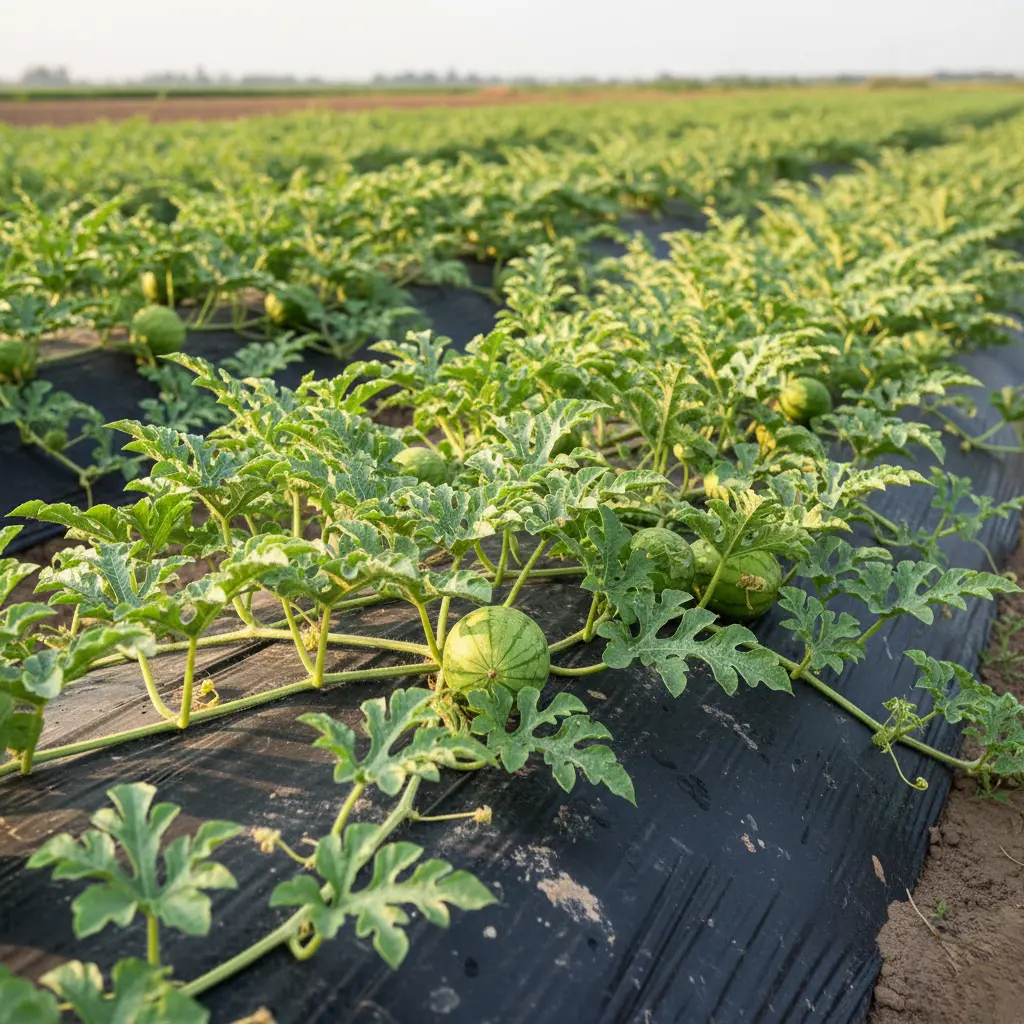
Watermelon mulch film is a specialized polyethylene covering applied to soil beds before or after transplanting watermelon seedlings. This agricultural film creates a protective barrier between the soil and the atmosphere, fundamentally transforming the growing environment.
The film regulates soil temperature, retains moisture, prevents weed growth, and protects fruits from direct ground contact. For watermelon cultivation, these benefits translate directly into larger fruits, earlier harvests, and significantly reduced crop losses due to rot or pest damage.
Modern agricultural practices increasingly rely on such innovations. Research from the University of California Agriculture and Natural Resources demonstrates that plastic mulch can increase watermelon yields by 20-50% compared to bare soil cultivation.
Key Benefits of Using Mulch Film for Watermelon Cultivation
Temperature Regulation and Faster Growth
Watermelon mulch film plays a crucial role in maintaining optimal soil temperatures for root development. Black mulch film absorbs heat during the day, warming the soil and promoting faster germination and early growth.
In cooler climates or during early-season planting, this temperature boost can advance harvest dates by 7-14 days. Earlier market access often means better prices for growers, directly improving farm profitability.
Superior Moisture Conservation
Water management remains one of the biggest challenges in watermelon production. Mulch films create a moisture barrier that dramatically reduces evaporation from the soil surface.
Studies show that fields with plastic mulch require 30-50% less irrigation water compared to unmulched fields. This conservation benefit becomes especially valuable in regions facing water scarcity or during drought conditions.
Effective Weed Suppression
Weeds compete aggressively with watermelon plants for nutrients, water, and sunlight. Watermelon mulch film blocks sunlight from reaching the soil surface, preventing weed seed germination and eliminating the need for frequent manual weeding or herbicide applications.
This weed control benefit alone can save farmers substantial labor costs and reduce chemical inputs, supporting more sustainable farming practices.
Improved Fruit Quality and Reduced Disease Pressure
When watermelons rest directly on soil, they become susceptible to rot, insect damage, and soil-borne diseases. Mulch film provides a clean, dry surface that keeps fruits elevated and protected.
The barrier also prevents soil splash during irrigation or rain, reducing the spread of fungal pathogens. Cleaner fruits with better appearance command premium prices in both wholesale and retail markets.
Choosing the Right Type of Mulch Film for Watermelons
Black Mulch Film
Black watermelon mulch film remains the most popular choice among growers. It provides excellent weed control, significant soil warming, and good durability throughout the growing season.
This option works particularly well in temperate climates and for early-season plantings where soil warming accelerates crop development.
Silver or Reflective Mulch Film
Reflective mulch films offer unique benefits for watermelon cultivation. The reflective surface repels certain insect pests, particularly aphids that transmit viral diseases.
Additionally, the reflected light reaches the lower leaves of plants, potentially improving photosynthesis and overall plant health.
Biodegradable Mulch Options
For farmers concerned about plastic waste and disposal costs, biodegradable mulch films provide an environmentally friendly alternative. These films break down naturally in the soil after the growing season.
While typically more expensive upfront, biodegradable options eliminate removal and disposal labor, potentially offering long-term economic benefits.
Installation and Best Practices for Watermelon Mulch Film
- Proper Bed Preparation
Before installing watermelon mulch film, ensure soil beds are properly prepared. Remove debris, create raised beds with appropriate spacing, and install drip irrigation lines if using sub-surface irrigation.
Well-prepared beds ensure smooth mulch installation and better contact between film and soil, maximizing the benefits of the mulch system.
- Installation Timing and Technique
Install mulch film when soil conditions are optimal typically when soil temperature reaches at least 15-18°C. The film should be pulled taut to prevent wind damage and properly anchored along edges.
Mulch film manufacturers in Indore like Brownfield India provide detailed installation guidelines specific to local conditions and crop requirements.
- Maintenance Throughout the Season
Regular inspection of the mulch film helps identify and repair any tears or gaps that could allow weed growth or moisture loss. Small repairs with adhesive tape can extend film life significantly.
Monitor soil moisture levels beneath the film, especially during hot weather, to ensure adequate irrigation reaches plant roots.
Why Choose Brownfield India as Your Mulch Film Partner
Quality Manufacturing Standards
As leading mulch film manufacturers, we maintain strict quality control throughout our production process. Our films meet international standards for thickness uniformity, tensile strength, and UV stabilization.
Every batch undergoes rigorous testing to ensure consistent performance across diverse growing conditions.
Customized Solutions for Different Crops
We understand that watermelon mulch film requirements differ from other crops. Our product range includes various thicknesses, widths, and colors tailored to specific agricultural needs.
Our technical team works closely with farmers to recommend the most appropriate mulch solution for their specific soil types, climate conditions, and cultivation practices.
Local Expertise and Support
Being among the trusted mulch film manufacturers in Indore, we provide local support and quick delivery across central India and beyond. Our proximity to major agricultural regions ensures timely supply during critical planting seasons.
We also offer technical consultation, helping farmers maximize returns from their mulch film investment through proper selection, installation, and maintenance guidance.
Economic Returns from Watermelon Mulch Film Investment
Increased yields of 20-50%, reduced irrigation costs, eliminated weeding expenses, and improved fruit quality typically result in a return on investment within a single growing season. According to the Agricultural Marketing Research Centre, farmers using mulch film report 40-60% higher net profits compared to conventional cultivation methods.
For commercial watermelon growers, the consistency and quality improvements provided by mulch film also strengthen relationships with buyers, leading to better contract terms and market access.
Environmental Considerations and Sustainable Practices
While plastic mulch provides significant agricultural benefits, responsible disposal remains important. Many mulch film manufacturers & traders now offer recycling programs for used agricultural plastics.
Farmers can minimize environmental impact by:
- Removing and collecting used mulch film promptly after harvest
- Participating in agricultural plastic recycling programs
- Considering biodegradable alternatives for appropriate applications
- Properly storing and reusing film when condition allows
The water conservation and reduced chemical use enabled by mulch films also contribute positively to environmental sustainability in agriculture.
Get Started with Premium Watermelon Mulch Film Today
Quality watermelon mulch film represents a proven investment in crop productivity and farm profitability. Whether you’re cultivating a few acres or managing large commercial operations, the right mulch solution can transform your results.
At Brownfield India, we combine manufacturing excellence with deep agricultural expertise to deliver solutions that work in real-world farming conditions. Our position as trusted mulch film manufacturers in Indore gives us unique insights into the challenges and opportunities facing growers across diverse regions.
Take Action Now
Don’t let another growing season pass without experiencing the benefits of professional-grade watermelon mulch film. Contact Brownfield India today for:
- Free consultation on the best mulch solution for your farm
- Competitive pricing on bulk orders
- Technical support for installation and maintenance
- Fast delivery to your location