
water melon mulch 2 month
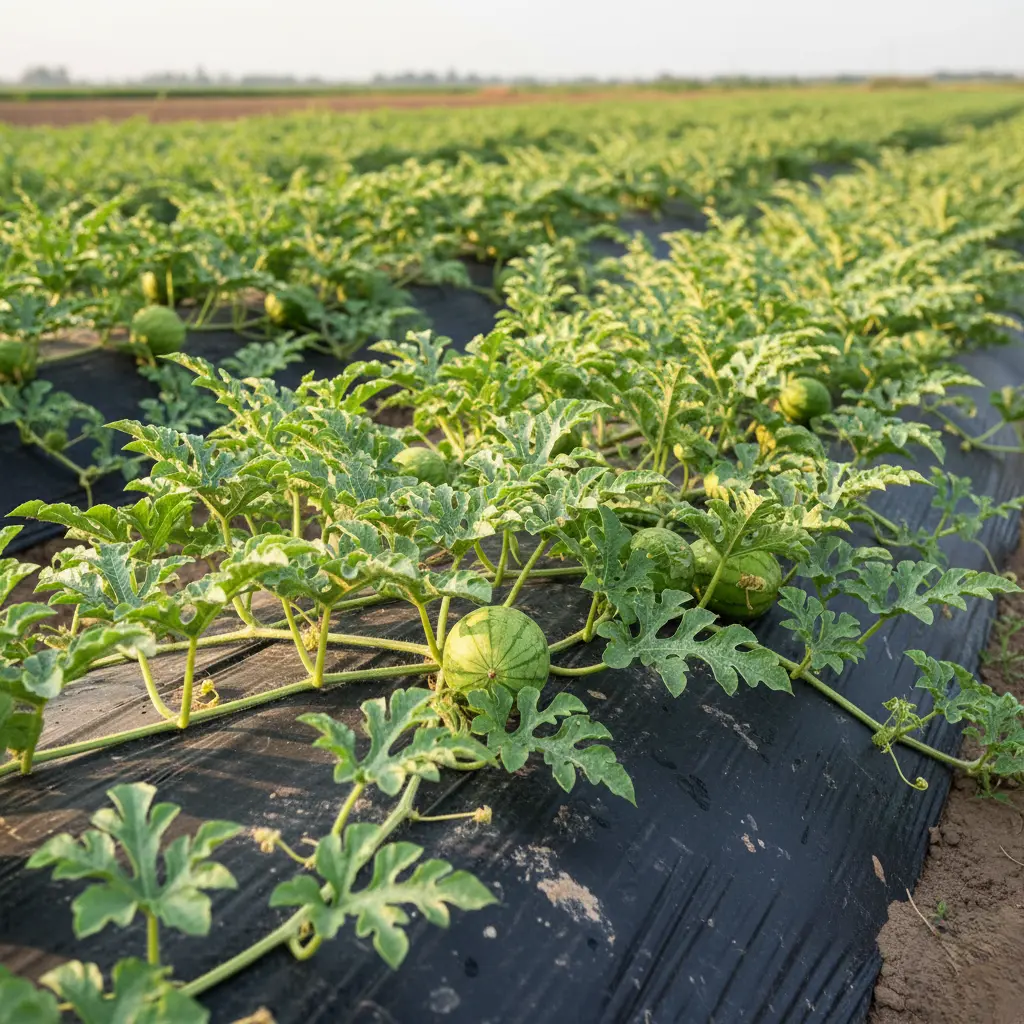
Watermelon Mulch 2 Month
Growing watermelons successfully requires proper planning, and understanding the watermelon mulch 2 month cultivation cycle is essential for farmers seeking optimal results. Mulch film application has revolutionized watermelon farming by creating ideal growing conditions, conserving moisture, and significantly improving crop quality within a concentrated timeframe.
Understanding the Watermelon Mulch 2 Month Growing Cycle
The two-month watermelon cultivation period represents the critical growth phase from transplanting to fruit development. During this timeframe, mulch films play a vital role in establishing strong root systems, promoting vigorous vine growth, and initiating fruit set.
Mulch film application creates a protective barrier between the soil and the atmosphere. This barrier regulates soil temperature, maintains consistent moisture levels, and prevents weed competition that could otherwise stunt watermelon growth during these crucial eight weeks.
The watermelon mulch 2 month approach has gained popularity among progressive farmers because it aligns perfectly with the plant’s intensive growth requirements. Modern mulch film manufacturers have developed specialized products that cater specifically to cucurbit crops like watermelons, offering various thicknesses, colors, and durability options.
Benefits of Using Mulch Films for Two-Month Watermelon Cultivation
Implementing mulch films during the watermelon mulch 2 month cycle delivers multiple advantages:
Soil Temperature Regulation: Black and clear mulch films can raise soil temperature by 3-5 degrees Celsius, promoting faster germination and root development. This temperature boost is particularly valuable during early-season planting when ambient temperatures may still be suboptimal.
Moisture Conservation: Mulch films reduce water evaporation by up to 70%, ensuring consistent soil moisture throughout the critical two-month period. This efficiency translates to reduced irrigation frequency and lower water costs.
Weed Suppression: Quality mulch films create an impenetrable barrier that prevents weed emergence. This eliminates competition for nutrients, water, and light, allowing watermelon plants to utilize resources more efficiently.
Fruit Quality Enhancement: By keeping fruits off bare soil, mulch films prevent soil-borne diseases, reduce pest damage, and minimize fruit rot. The result is cleaner, more marketable watermelons with extended shelf life.
Earlier Harvests: The controlled growing environment created by mulch films can accelerate maturity by 7-14 days, allowing farmers to capture premium early-season market prices.
Selecting the Right Mulch Film from Reliable Mulch Film Manufacturers
Choosing appropriate mulch films significantly impacts your watermelon mulch 2 month success. Working with reputable mulch film manufacturers in Indore or your local region ensures access to quality products designed for your specific climate conditions.
Consider these factors when selecting mulch films:
- Film Color: Black mulch films are most common for watermelons, providing excellent weed control and moderate soil warming. Silver or white films offer cooler soil temperatures in extremely hot climates.
- Thickness: Films ranging from 25 to 50 microns provide adequate durability for the two-month growing cycle. Thicker films offer better puncture resistance in rocky soils.
- Width and Length: Select dimensions that match your bed width and field length to minimize waste and installation time.
- UV Stabilization: Quality films from established mulch film manufacturers include UV stabilizers that prevent premature degradation under intense sunlight.
- Biodegradability: Some modern films are designed to decompose after the growing season, reducing removal labor and environmental impact.
Partnering with experienced Mulch Film Manufacturers & Trader provides access to technical guidance, product recommendations, and bulk purchasing options that can significantly reduce input costs.
Installation Techniques for Optimal Watermelon Mulch 2 Month Results
Proper mulch film installation sets the foundation for successful watermelon cultivation. Follow these best practices:
Soil Preparation: Ensure beds are properly shaped, fumigated if necessary, and free of sharp objects that could puncture the film. Smooth bed surfaces promote better film contact and heat transfer.
Timing: Install mulch films 7-10 days before transplanting to allow soil warming. This pre-warming period jumpstarts root development immediately after transplanting.
Secure Anchoring: Bury film edges 10-15 cm deep in soil trenches to prevent wind damage. Proper anchoring maintains film tension and prevents billowing that could damage young plants.
Planting Holes: Cut X-shaped or circular holes appropriately sized for transplants. Hole placement should follow recommended spacing for your watermelon variety, typically 90-120 cm between plants.
Drip Line Integration: Install drip irrigation lines beneath mulch films before securing. This combination maximizes the benefits of both technologies during the watermelon mulch 2 month period.
Managing Watermelons During the Two-Month Mulched Period
Active management throughout the watermelon mulch 2 month cycle ensures optimal outcomes:
- Irrigation Management: Monitor soil moisture regularly through the planting holes. Drip irrigation should deliver water slowly to maintain consistent moisture without waterlogging.
- Fertilization: Apply nutrients through the drip system (fertigation) based on growth stage requirements. The first month emphasizes nitrogen for vegetative growth, while the second month shifts toward potassium for fruit development.
- Vine Training: Guide vines across mulch films to maximize coverage and fruit exposure. Proper vine spacing prevents overcrowding and improves air circulation.
- Pollination Support: Ensure adequate pollinator access to flowers. Some farmers introduce managed bee colonies during peak flowering to guarantee fruit set.
- Pest Monitoring: Regularly inspect plants for aphids, cucumber beetles, and other pests. The mulch film environment can sometimes harbor certain insects, requiring vigilant management.
Troubleshooting Common Challenges in Watermelon Mulch 2 Month Systems
Even with quality products from trusted mulch film manufacturers, challenges may arise:
Film Damage: Wind, animals, or equipment can tear mulch films. Repair significant tears with waterproof tape to maintain soil temperature and moisture benefits.
Excessive Soil Heat: In extremely hot climates, black mulch may raise soil temperatures beyond optimal ranges. Consider white or silver films, or apply shade cloth during peak heat periods.
Moisture Imbalances: Over-irrigation under mulch films can create anaerobic soil conditions. Adjust irrigation schedules based on plant needs and weather conditions.
Weed Breakthrough: Occasionally, perennial weeds may penetrate films at planting holes. Hand-pull these weeds promptly to prevent seed production.
The expertise of established mulch film manufacturers can provide valuable troubleshooting support and product recommendations for specific challenges.
Environmental Considerations and Sustainable Practices
Modern watermelon farmers increasingly consider environmental impacts when implementing watermelon mulch 2 month systems. Sustainable practices include:
Properly disposing of or recycling used mulch films prevents environmental contamination. Many regions have collection programs for agricultural plastics, and progressive mulch film manufacturers in Indore and elsewhere offer recycling services.
Biodegradable mulch films represent an emerging alternative that eliminates removal and disposal concerns. While typically more expensive initially, these films decompose naturally into the soil after the growing season.
Combining mulch films with integrated pest management, precision irrigation, and organic fertility programs creates comprehensive sustainability. This holistic approach delivers environmental stewardship alongside economic viability.
Maximizing Returns from Your Watermelon Mulch Investment
The watermelon mulch 2 month approach represents a significant investment in materials and labor. Maximizing returns requires attention to several factors:
Variety Selection: Choose watermelon varieties suited to your climate and market preferences. Hybrid varieties often deliver superior yields and disease resistance that justify mulch film investments.
Market Timing: Plan planting dates to harvest during peak demand periods when prices are highest. The accelerated maturity from mulched systems provides flexibility in market timing.
Quality Focus: The superior fruit quality from mulched systems often commands premium prices. Market watermelons emphasizing cleanliness, uniformity, and flavor attributes enhanced by mulch cultivation.
Record Keeping: Document costs, yields, and quality metrics to evaluate return on investment. This data informs future decisions about mulch film specifications and suppliers.
Establishing relationships with reliable Mulch Film Manufacturers & Trader often provides volume discounts, technical support, and consistent product quality that protects your investment.
Future Trends in Mulch Technology for Watermelon Production
The agricultural plastics industry continues innovating, with several emerging trends relevant to watermelon mulch 2 month systems:
Advanced biodegradable formulations are becoming more affordable and effective. These next-generation films maintain integrity throughout the growing season before decomposing completely.
Smart mulch films embedded with sensors may soon provide real-time data on soil temperature, moisture, and nutrient levels. This technology could revolutionize precision management during the critical two-month growth period.
Multi-layer films combining different colors and properties offer customized growing environments. For example, reflective top surfaces combined with dark undersides provide both insect control and soil warming.
Leading mulch film manufacturers continue developing products that balance performance, affordability, and environmental responsibility, ensuring watermelon farmers have access to cutting-edge solutions.