
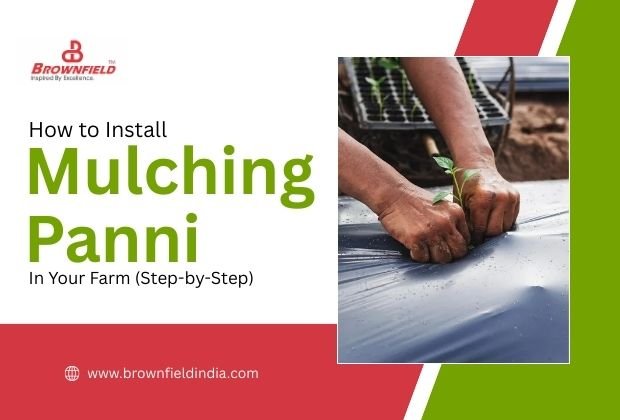
The use of Mulching panni has become a common farming practice for improving crop productivity and protecting soil health. Farmers across India use this technique to conserve water, reduce weed growth, and create better growing conditions for crops.
Many farmers purchase mulch film from reliable Mulch Panni supplier networks or trusted Mulch Panni manufacturers who provide durable agricultural mulch films. When installed correctly, mulch film supports strong plant growth and improves farm efficiency.
The plastic mulching technique in agriculture works by covering the soil with a protective film. This layer reduces water evaporation and prevents sunlight from reaching weeds. As a result, crops receive more nutrients and moisture.
Farmers growing vegetables such as tomato, chilli, cucumber, capsicum, and watermelon benefit greatly from Mulching panni for crop farming.
Understanding the correct installation process helps farmers maximize the benefits of mulch film technology. This guide explains how to install mulching panni on a farm step by step using simple and practical methods.
Case Study Showing Benefits of Mulching Panni
A vegetable farmer in central India used Agriculture Mulching Panni for tomato cultivation on one acre of land. Previously, the farmer faced problems such as excessive weed growth and water loss during hot weather.
After installing plastic mulch film for agriculture, the farmer observed several improvements during the crop cycle.
Results included:
• Better soil moisture retention with mulch film
• Reduced weed growth in the field
• Improved crop health and fruit quality
• Lower irrigation requirements
• Reduced labor for weed removal
The farmer also noticed that tomatoes grown with mulch film were cleaner and more uniform in size.
This case study demonstrates how farmers can benefit from proper mulch installation and good crop management practices.
Preparing the Soil Before Installing Agriculture Mulching Panni
Proper soil preparation is the most important step before installing Agriculture Mulching Panni. The soil must be prepared carefully so that the mulch film performs effectively.
Farmers should begin by clearing the field and removing stones, weeds, and plant residues. The soil should then be ploughed and leveled properly.
Steps for soil preparation include:
• Deep ploughing to loosen the soil
• Removing weeds and debris from the field
• Adding compost or organic manure
• Leveling soil beds evenly
• Creating raised planting beds
Raised beds improve drainage and allow proper root growth. They are commonly used in plastic mulch film for agriculture.
Farmers should also install drip irrigation lines before laying the mulch film. This ensures that water reaches plant roots efficiently.
Reliable Mulching Panni manufacturers often recommend combining drip irrigation with mulch film to achieve better crop results.
Good soil preparation supports healthy plant growth and improves the effectiveness of the mulch film.
Step by Step Mulch Film Installation Process
The mulch film installation process requires careful handling to ensure proper coverage and durability. Farmers should follow these steps for successful installation.
Step 1: Prepare soil beds and install drip irrigation pipes.
Step 2: Unroll the Mulching panni across the prepared soil beds.
Step 3: Stretch the film gently to remove wrinkles and ensure smooth coverage.
Step 4: Secure the edges of the film with soil to prevent wind movement.
Step 5: Create small holes in the film at the correct crop spacing.
Step 6: Plant seedlings through the holes.
Important installation tips include:
• Avoid tearing the mulch film during installation
• Maintain proper spacing between plants
• Ensure irrigation pipes function properly
• Keep the mulch film tightly fixed to the soil
Farmers following the Step by step guide to installing plastic mulch film can achieve better results and longer mulch durability.
Correct installation helps improve water efficiency and crop protection.
Using Mulching Panni for Vegetable Crop Farming
Vegetable crops benefit greatly from Mulching panni for crop farming because they require stable soil moisture and weed free conditions.
Farmers commonly use mulch film for crops such as:
• Tomato
• Chilli
• Cucumber
• Capsicum
• Watermelon
• Brinjal
These crops grow better when the soil remains moist and protected.
Benefits of using Mulch film for vegetable crops include:
• Strong weed control using plastic mulch
• Improved root development
• Reduced soil evaporation
• Cleaner fruits during harvest
• Reduced labor for weed removal
Farmers using mulch film often achieve higher crop yields compared to traditional farming methods.
Reliable Mulch panni manufacturers in India provide mulch films that are suitable for vegetable cultivation and different climate conditions.
Understanding Mulching Panni Price and Film Quality
The Mulching panni price varies depending on film thickness, quality, and roll size. Farmers should choose mulch film according to crop type and farming conditions.
Factors affecting mulch film price include:
• Film thickness
• Material quality
• Roll width and length
• Manufacturing technology
• Transportation costs
Although mulch film requires an initial investment, it provides long term benefits such as increased crop productivity and reduced irrigation costs.
Farmers often purchase mulch films from reliable Mulching Panni supplier networks to ensure good product quality.
Agricultural organizations such as Food and Agriculture Organization and National Horticulture Board also promote mulching techniques for efficient farming.
Choosing high quality mulch film helps farmers achieve better crop performance.
FAQ’s About Mulching Panni
1. How to properly install mulch?
Proper mulch installation requires preparing soil beds, installing irrigation lines, spreading mulch film evenly, securing edges with soil, and planting crops.
2. How to install mulching plastic?
Mulching plastic is installed by preparing soil beds, laying plastic film tightly, fixing edges with soil, and planting seedlings through holes.
3. What are the proper mulching practices?
Proper mulching practices include soil preparation, selecting correct mulch film thickness, installing drip irrigation, proper plant spacing, and monitoring crop growth.
4. How to prepare the ground before mulching?
Ground preparation includes ploughing soil, removing weeds, adding compost, leveling beds, and installing irrigation lines before laying mulch film.
5. What is the best time to apply mulch?
The best time to apply mulch is after soil preparation and irrigation setup but before transplanting crops.
6. How to correctly use mulch?
Mulch should be placed tightly on soil beds, secured properly, and crops planted through holes to ensure proper plant growth.
7. How many layers of mulch do I need?
Plastic mulch usually requires one layer placed tightly on the soil surface to conserve moisture and control weeds effectively.
8. Should I water before or after laying mulch?
Farmers should lightly water soil before laying mulch and later irrigate crops through drip irrigation after installation.
9. How is mulching done step by step?
Mulching includes soil preparation, irrigation installation, laying mulch film, fixing edges, making planting holes, and planting seedlings.
10. What are the two methods of mulching?
The two main mulching methods are organic mulching using natural materials and plastic mulching using agricultural mulch films.
Conclusion
Installing Mulching panni is a simple but highly effective farming technique that improves crop productivity and protects soil health. When farmers follow proper installation methods, mulch film helps conserve soil moisture, control weeds, and regulate soil temperature.
Using Agriculture Mulching Panni allows crops to grow in stable soil conditions. This improves root development and supports healthier plants. Farmers who purchase mulch film from reliable Mulch Panni manufacturers and trusted Mulch Panni supplier networks can ensure better quality agricultural mulch films.
The step by step installation process involves preparing the soil, installing irrigation pipes, laying mulch film, securing edges, and planting crops through holes. When done correctly, this technique reduces irrigation needs and labor costs.
As modern agriculture continues to evolve, the plastic mulching technique in agriculture will remain an important solution for improving farm productivity and sustainable crop cultivation.