
Water management plays a major role in farming success. Crops need the right amount of water at the right time to grow properly. If crops receive too little water, plant growth slows down. If they receive too much water, roots may become weak. Modern farmers therefore use irrigation systems that provide balanced water distribution. One popular solution is working with Sprinkler irrigation suppliers Indore who provide irrigation equipment that helps farmers water crops evenly.
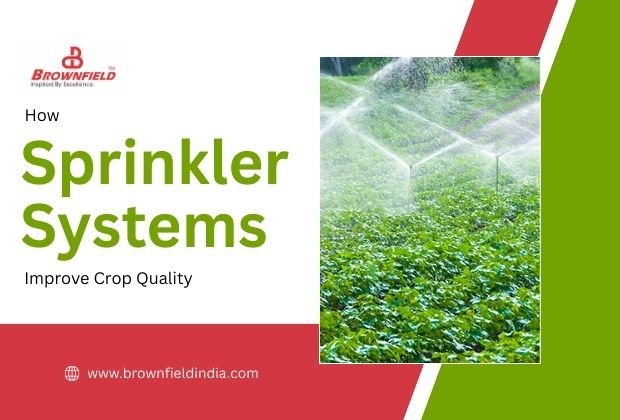
Sprinkler irrigation works by spraying water through sprinkler heads that distribute water across the field. The process is similar to natural rainfall. Because water spreads evenly, plants receive equal moisture and grow uniformly. This improves crop quality and helps farmers achieve better harvest results.
Farmers today are adopting sprinkler irrigation systems because they help improve water efficiency and crop productivity. The system is suitable for vegetables, cereals, fruits, and many other crops.
Using sprinklers also supports healthy soil conditions. Balanced watering keeps soil moisture stable and prevents soil damage caused by heavy water flow.
With changing climate patterns, efficient irrigation systems have become essential tools that help farmers protect crops and improve farm productivity.
Benefits of a Sprinkler Irrigation System for Crop Development
A Sprinkler Irrigation System is one of the most reliable irrigation methods used in modern farming. This system distributes water across fields through pipes and rotating sprinkler heads. The water spreads in small droplets that fall on crops like rainfall. This method helps maintain balanced moisture levels across the entire field.
When crops receive equal water supply, plant growth becomes more uniform. This improves crop size, quality, and yield. Sprinkler irrigation also helps farmers irrigate large areas quickly without excessive water use.
Key advantages of sprinkler irrigation include:
• Uniform water distribution in crop irrigation
• Better soil moisture management with sprinklers
• Reduced water loss from runoff
• Improved crop yield improvement through irrigation
• Suitable for different crop types
Another benefit is that sprinkler irrigation works well on uneven land where traditional irrigation methods may not work effectively. Farmers using sprinkler systems often see healthier crops because water reaches all plants equally. This reduces dry spots and ensures balanced plant development. Because of these benefits, sprinkler irrigation systems are widely used in agricultural regions where efficient water management is necessary for crop success.
Importance of Agricultural sprinkler systems in Farming
Agriculture in many regions depends heavily on reliable irrigation systems. Agricultural sprinkler systems Madhya Pradesh are helping farmers improve crop production by providing consistent water supply. Farmers in this region often face irregular rainfall and water shortages. Sprinkler irrigation helps distribute water evenly across fields, which supports better plant growth.
These irrigation systems improve farming in several ways:
• Balanced water distribution across crops
• Reduced soil erosion compared to flood irrigation
• Improved plant health and growth
• Increased water efficiency in irrigation
Sprinkler irrigation also helps farmers manage water carefully during dry seasons. Because water is sprayed evenly, crops receive the moisture they need without excessive water use. Another advantage is improved soil condition. Gentle water droplets reduce soil compaction and protect soil structure. Farmers using sprinkler irrigation often report better crop quality because plants grow under stable soil moisture conditions. These systems therefore play an important role in improving farming productivity and supporting sustainable agriculture in regions with limited water resources.
Role of Sprinkler irrigation suppliers in Modern Agriculture
Modern irrigation systems require proper equipment and technical support. Farmers often depend on Sprinkler irrigation suppliers Indore to access irrigation components and installation guidance.
Suppliers provide essential materials such as pipes, pumps, connectors, and sprinkler heads. These components are necessary to build efficient irrigation systems.
Reliable suppliers support farmers by providing:
• Guidance on sprinkler system selection
• Support for irrigation system design
• Access to irrigation components and equipment
• Advice on maintenance and operation
Proper planning is important because sprinkler systems must distribute water evenly across the entire farm. When irrigation systems are designed correctly, crops receive consistent water supply. This prevents plant stress caused by uneven watering. Suppliers also help farmers select suitable systems based on farm size, crop type, and water availability. With the right equipment and proper installation, sprinkler irrigation systems can operate efficiently and improve crop productivity.
Advantages of Water-efficient irrigation systems India
Water conservation is becoming an important priority for farmers. Water-efficient irrigation systems India help farmers use water responsibly while maintaining crop productivity.
Sprinkler irrigation is considered an efficient irrigation technique because it reduces water waste. Instead of flooding fields with water, sprinklers distribute water carefully across crops.
Benefits of water efficient irrigation include:
• Reduced water evaporation from soil
• Improved irrigation efficiency
• Lower water consumption in agriculture
• Balanced soil moisture levels
Farmers who use sprinkler irrigation systems can adjust watering schedules according to crop needs. This allows better water management during dry seasons. Water efficient irrigation also supports healthy plant development because crops receive controlled moisture levels. Another benefit is reduced energy consumption. When irrigation systems use water efficiently, pumps operate less frequently. By adopting water efficient irrigation methods, farmers can protect natural resources while improving crop productivity and farm sustainability.
Benefits of Automatic sprinkler systems for farms
Automation is transforming agriculture by helping farmers manage irrigation more efficiently. Automatic sprinkler systems for farms use timers and sensors to control watering schedules.
These systems automatically start and stop irrigation according to pre-set schedules. This ensures crops receive water at the correct time without manual effort.
Important benefits of automated sprinkler systems include:
• Consistent irrigation timing
• Reduced labor requirements
• Better water efficiency in sprinkler irrigation
• Improved crop health monitoring
Automation helps farmers maintain regular irrigation even when they are not present in the field. Automatic systems also reduce human error. When watering schedules are controlled automatically, crops receive balanced moisture levels. Farmers using automated irrigation systems often experience improved crop growth because irrigation remains consistent. These systems are particularly useful for large farms where manual irrigation management can be difficult. Automation therefore supports efficient irrigation practices that improve crop quality and farm productivity.
Importance of Sprinkler irrigation dealers Indore in Irrigation Support
Farmers adopting sprinkler irrigation often rely on Sprinkler irrigation dealers Indore for irrigation equipment and technical support.
Dealers provide a wide range of sprinkler irrigation products used in farming operations.
They help farmers with:
• Selecting sprinkler irrigation equipment
• Providing installation support
• Offering maintenance guidance
• Helping farmers choose suitable irrigation solutions
Dealers also provide information about different types of sprinkler systems that work best for various crops. Farmers benefit from professional guidance because irrigation system design requires proper planning. Correct sprinkler spacing and pressure levels are important to ensure water reaches all plants equally. Dealers therefore help farmers install irrigation systems that improve crop growth and reduce water waste. Access to irrigation equipment and technical support makes it easier for farmers to adopt modern irrigation practices.
Why Farmers Choose the Best sprinkler irrigation system Indore
Selecting the Best sprinkler irrigation system Indore helps farmers achieve efficient irrigation and better crop productivity.
Modern sprinkler irrigation systems are designed to deliver water uniformly across fields. This supports balanced plant growth and improves crop quality.
Benefits of high quality sprinkler systems include:
• Uniform water distribution across crops
• Improved soil moisture management
• Better crop growth and yield
• Reduced water wastage
These systems are also adaptable for different crops including vegetables, fruits, cereals, and fodder crops. Farmers using advanced sprinkler irrigation systems often notice improved crop size and healthier plants. Another benefit is flexibility. Sprinkler systems can irrigate uneven land and different soil types. By choosing efficient irrigation systems, farmers can maintain stable crop production and improve agricultural sustainability.
FAQ’s About Sprinkler Irrigation Suppliers
1. Do sprinklers increase crop size?
Yes, sprinkler irrigation provides uniform watering to crops which improves plant growth, nutrient absorption, and helps produce larger crop yields.
2. How does irrigation help in crop production?
Irrigation provides water during dry periods, maintains soil moisture levels, supports plant growth, and improves crop productivity.
3. What is the use of sprinklers in agriculture?
Sprinklers distribute water evenly across crops, improve soil moisture, reduce water waste, and support healthy plant growth.
4. How many sprinklers for one acre?
Usually twenty to thirty sprinklers are required for one acre depending on pressure, sprinkler spacing, and irrigation system design.
5. What are the four types of sprinkler systems?
Four types include center pivot sprinklers, portable sprinklers, permanent sprinkler irrigation systems, and traveling sprinkler irrigation systems.
6. How many crops can a quality sprinkler water?
A sprinkler system can irrigate vegetables, fruits, cereals, pulses, oilseeds, and fodder crops depending on irrigation design.
7. What are the advantages of a sprinkler system?
Sprinkler systems provide uniform irrigation, save water, reduce soil erosion, improve crop growth, and increase agricultural productivity.
8. How to set up crops with quality sprinklers?
Farmers should design proper irrigation layout, maintain sprinkler spacing, ensure correct pressure levels, and monitor irrigation schedules.
9. Which crops are grown by sprinkler irrigation?
Sprinkler irrigation supports wheat, vegetables, pulses, fruits, oilseeds, and fodder crops grown in many agricultural regions.
10. What is the best crop for the sprinkler method?
Vegetables, wheat, pulses, and fodder crops perform well with sprinkler irrigation because they require uniform water distribution.
Conclusion
Sprinkler irrigation systems play an important role in improving crop quality and agricultural productivity. By distributing water evenly across fields, sprinkler systems help maintain balanced soil moisture and support healthy plant growth. Crops that receive uniform irrigation often grow stronger and produce better yields.
Farmers adopting modern irrigation solutions such as Sprinkler Irrigation System, Agricultural sprinkler systems Madhya Pradesh, Sprinkler irrigation suppliers Indore, Water-efficient irrigation systems India, Automatic sprinkler systems for farms, Sprinkler irrigation dealers Indore, and Best sprinkler irrigation system Indore can manage water resources more effectively.
These systems reduce water waste, support soil health, and help crops grow under stable moisture conditions. As climate challenges increase, efficient irrigation methods are becoming essential for sustainable agriculture.
By using sprinkler irrigation technology, farmers can improve crop productivity, conserve water, and maintain long term farm sustainability while producing high quality crops for growing agricultural demand.