
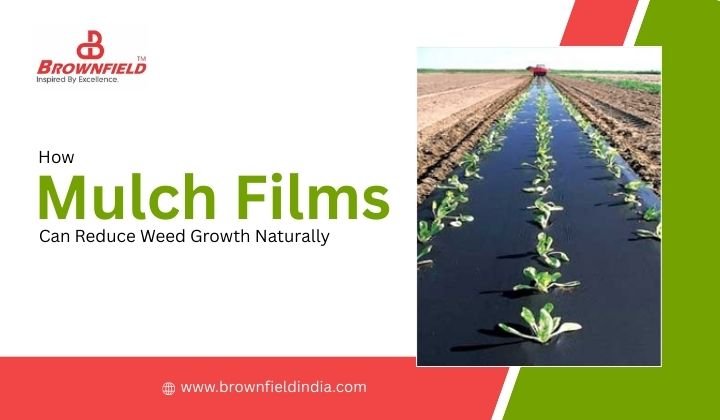
Weeds remain one of the most persistent challenges in modern agriculture, consuming valuable time, labor, and resources. For farmers seeking sustainable and cost-effective solutions, mulch films have emerged as a game-changing technology that naturally suppresses weed growth while enhancing crop productivity. This comprehensive guide explores how these innovative materials work, their benefits, and why they represent the future of sustainable farming.
Rajesh Patel, a progressive farmer from Madhya Pradesh, struggled with severe weed infestations in his 5-acre tomato farm. Manual weeding consumed 30% of his operational costs and required constant labor. After consulting with mulch film suppliers in Indore, he implemented black plastic coverage across his entire cultivation area.
The results were remarkable. Within one season, Rajesh achieved 85% reduction in weed growth, 40% water savings through improved soil moisture retention, and a 35% increase in yield. His investment in agricultural mulching solutions paid off within eight months, demonstrating the practical effectiveness of modern farming technology in real-world conditions.
Understanding Mulch Films: The Natural Weed Barrier
Agricultural plastic mulch consists of specialized films designed to cover soil surfaces around crops. These films create a physical barrier that blocks sunlight, prevents weed seed germination, and maintains optimal soil conditions. The most common types include black, silver, and biodegradable mulch film options, each offering unique advantages for different farming applications.
The technology behind protective film is elegantly simple yet scientifically proven. By eliminating light penetration to the soil surface, these films prevent photosynthesis in weed seeds, effectively stopping their growth before it begins. This represents one of the most effective sustainable weed control methods available to modern farmers.
How Mulch Films Suppress Weeds Naturally
The primary mechanism through which weed suppression technology works involves light deprivation. Weed seeds require sunlight to germinate and establish themselves. When you install proper coverage, it creates complete darkness at the soil level, making germination impossible for most weed species.
Black mulch film is particularly effective because it absorbs sunlight while blocking its transmission to the soil. This dual action not only prevents weeds but also warms the soil during cooler months, promoting faster crop establishment. Research from agricultural universities confirms that properly installed films can reduce weed emergence by 90-95% compared to bare soil conditions.
Additionally, the material creates a physical barrier that even hardy perennial weeds struggle to penetrate. Unlike organic mulches that weeds can push through, plastic mulching provides an impenetrable shield that maintains weed-free conditions throughout the growing season. The continuous protection eliminates the need for repeated manual weeding or chemical herbicide applications.
The Science Behind Soil Moisture Retention
Beyond weed control, protective covering excels at conserving soil moisture, which indirectly contributes to weed suppression. The soil moisture retention film properties reduce evaporation by up to 50%, keeping water where crops need it most. This moisture conservation creates a competitive advantage for crops over any weeds that might attempt to establish themselves.
When soil maintains consistent moisture levels, crops develop stronger root systems and grow more vigorously. This enhanced crop growth creates natural shade and competition that further suppresses any potential weed development. The synergy between moisture retention and weed control makes this technology an invaluable tool for resource-efficient farming.
Benefits of Mulch Film Beyond Weed Control
Expert insights on mulch films in Indore reveal multiple advantages that extend far beyond weed management:
- Temperature Regulation: Soil warming in spring and moderate buffering during summer months enhances seed germination
- Moisture Conservation: Reduces evaporation by up to 50%, keeping water available for crop uptake consistently
- Fertilizer Efficiency: Prevents nutrient leaching and keeps applied nutrients within the root zone for better utilization
- Soil Protection: Prevents erosion, crusting from rainfall impact, and maintains better soil aggregation throughout seasons
- Pest Deterrence: Reflective properties deter insects while enhancing light distribution to lower plant leaves
- Improved Yield Quality: Cleaner produce with reduced soil splash and disease contamination from ground contact
Crop protection solutions extend far beyond simple weed management. The comprehensive benefits create an optimal growing environment that maximizes both quantity and quality of harvests while reducing overall input costs significantly.
Choosing the Right Mulch Film for Your Farm
Selecting appropriate material depends on your crop type, climate, and specific farming objectives. Mulch film manufacturers in Indore typically offer various thickness options, colors, and material compositions to match different agricultural needs precisely.
For vegetable farming, the best mulch film for vegetable farming is typically 25-30 micron black polyethylene, which provides excellent durability and weed suppression. Row crops may benefit from thinner films, while perennial plantings require heavier gauge options that last multiple seasons without degradation.
When evaluating mulch film price per acre, consider the total value proposition rather than just upfront costs. Quality films from established mulch film manufacturers in India may cost slightly more initially but deliver superior performance, longevity, and ultimately better returns on investment through reduced replacement needs.
Installation Techniques for Maximum Effectiveness
Proper installation is critical for achieving optimal weed control with protective covering. The process begins with thorough soil preparation, including removing existing weeds and creating smooth, debris-free beds. This foundation ensures good contact between the film and soil surface, eliminating gaps where weeds might emerge.
Modern agricultural practices recommend using specialized laying equipment for uniform application and proper tension. However, smaller operations can achieve excellent results with manual installation when following proper techniques. The key is maintaining adequate tension to prevent wind damage while ensuring edges are properly secured with soil anchoring.
Planting holes should be cut cleanly and kept as small as possible to minimize exposed soil areas. Many progressive farmers use specialized hole-cutting tools that create precise openings exactly where transplants or seeds will be placed, maximizing the weed-suppressing coverage of their installation.
Comparing Mulch Films with Traditional Weed Control
Traditional weeding methods consume significant labor, with manual weeding requiring 150-200 person-hours per acre per season. Chemical herbicides offer relief but raise concerns about environmental impact, residues, and developing resistance. Plastic mulch in agriculture provides a compelling alternative that addresses both labor and sustainability concerns simultaneously.
The economics strongly favor protective film installation in most commercial scenarios. While herbicides require repeated applications throughout the season, film coverage is a one-time installation that works continuously. When you factor in reduced water usage, improved yields, and labor savings, the return on investment typically ranges from 200-400%.
Environmental considerations also favor biodegradable mulch film options, which provide the same weed control benefits while decomposing naturally after the growing season. These innovative materials from leading providers represent the future of sustainable farming practices.
Regional Advantages: Mulch Films in Central India
Farmers seeking mulch film suppliers near me in the Indore region benefit from a robust local industry offering quality products and technical support. The climate in Madhya Pradesh, with its distinct seasons and vhttps://maps.app.goo.gl/itJG7Njk1563L8hP9ariable rainfall patterns, makes protective covering particularly valuable for managing moisture stress and extending growing seasons.
Local mulch manufacturing companies in Indore understand regional agricultural challenges and can recommend specific products optimized for crops like tomatoes, chili, watermelon, and cucurbits that dominate the area. This localized expertise, combined with reduced transportation costs, creates strategic advantages for farmers.
The concentration of agricultural mulch film supplier businesses in Indore has fostered innovation and competitive pricing, making advanced technology accessible even to small and medium-scale farmers. This democratization of technology is transforming agricultural productivity across the region dramatically.
Long-Term Soil Health Considerations
While protective covering offers immediate benefits, farmers should consider long-term soil health management practices. Proper removal and disposal of conventional films after the growing season prevents plastic accumulation and maintains soil quality. Many manufacturers now offer recycling programs that support environmental stewardship and sustainable farming.
Biodegradable mulch film addresses disposal concerns by breaking down naturally through microbial action over time. These advanced materials provide identical weed suppression and moisture retention benefits while eliminating end-of-season removal labor completely. Though typically priced 20-30% higher than conventional films, biodegradable options offer compelling total value for environmentally conscious operations.
Rotating between mulched and un-mulched seasons, or alternating mulch types, helps maintain soil biological diversity and prevents potential issues with soil compaction or reduced organic matter incorporation. Balanced approaches ensure that protective covering enhances rather than compromises long-term soil fertility and health.
Environmental Sustainability and Future Trends
The agricultural industry is moving steadily toward more environmentally conscious practices, and protective films are evolving to meet these expectations. Next-generation materials incorporate biodegradable polymers, plant-based plastics, and even paper-based alternatives that maintain performance while reducing environmental footprint significantly.
Research into enhanced functionality continues, with experimental materials incorporating slow-release fertilizers, beneficial microbes, or pest-deterrent compounds directly into the film matrix. These multifunctional materials promise to consolidate multiple agricultural inputs into single, efficient solutions that reduce labor and application complexity.
Climate change adaptation also drives innovation, with specialized films designed for extreme temperatures, variable rainfall patterns, and extended growing seasons. Forward-thinking providers are investing in research and development that ensures farmers have tools to succeed in an uncertain agricultural future.
Integrating Mulch Films into Your Farm Management Plan
Successful implementation requires integration with your broader farm management strategy for maximum effectiveness. Crop rotation planning should account for film use, as some crops benefit more than others from this technology. High-value vegetables, strawberries, and specialty crops typically show the most dramatic improvements in yield and quality.
Irrigation system design must accommodate protective covering, with drip irrigation being the ideal complement to surface coverage. The combination of subsurface moisture delivery and surface weed suppression creates optimal growing conditions while maximizing resource efficiency. Many farmers report that drip irrigation plus film coverage represents the most profitable investment they’ve made in their operations.
Pest and disease management also benefits from integrated approaches. The physical barrier reduces soil-borne disease transmission, while some colored films repel or confuse insect pests naturally. These indirect benefits contribute to overall crop health and reduce pesticide requirements, supporting sustainable farming and integrated pest management objectives.
Expert Recommendations for First-Time Users
Farmers new to protective film technology should start with a trial area before committing their entire acreage to this approach. Select a representative section of your farm and implement coverage while maintaining traditional practices elsewhere. This side-by-side comparison provides concrete evidence of performance differences and builds confidence.
Working with experienced mulch film suppliers in Indore ensures you receive proper technical guidance on product selection, installation, and management practices. Many suppliers offer installation support or training sessions, helping you avoid common mistakes that can compromise performance. This educational investment pays dividends through improved results and faster adoption success.
Mulching techniques for farmers continue evolving, with innovations in material science, installation equipment, and integrated pest management strategies emerging regularly. Staying connected with your provider ensures access to the latest developments and keeps your farming practices competitive and profitable.
FAQ’s About Mulch Film
1. How does mulch prevent weeds from growing?
Films block sunlight from reaching soil, preventing photosynthesis in weed seeds, stopping germination and establishment throughout the growing season effectively.
2. How does mulching help in weed suppression?
Mulching suppresses weeds through light deprivation, temperature moderation, consistent moisture favoring crops, and creating an impenetrable physical barrier against weeds.
3. How to use mulch as a weed barrier?
Prepare smooth, weed-free beds, lay film tightly, secure edges with soil, and cut precise planting holes only where crops will be placed.
4. What is the best material to suppress weeds?
Black polyethylene film (25-30 micron) offers excellent weed suppression, durability, soil warming, and moisture retention for most agricultural applications effectively.
5. What gets rid of weeds permanently?
Plastic mulch in agriculture provides season-long suppression by blocking light. Biodegradable options offer similar effectiveness while decomposing naturally after harvest completion.
6. What are 5 advantages of mulching?
Weed suppression, moisture conservation, temperature regulation, soil protection, and fertilizer efficiency improvements significantly boost crop yields and reduce operational costs effectively.
7. Does mulching remove weeds?
Mulching techniques for farmers prevent new weed growth by blocking light but require initial weed removal before installation for maximum effectiveness.
8. Can I put mulch over weeds?
No. Remove existing weeds before installation. Covering live weeds allows them to potentially penetrate the film, reducing effectiveness significantly.
9. How do you stop weeds from growing?
Install quality films over prepared beds, maintain proper soil contact, minimize planting hole size, and secure edges properly for comprehensive coverage.
10. What should I put down before mulching?
Prepare weed-free, smooth soil beds. Some farmers apply pre-emergent treatments, though films alone typically provide adequate weed control without chemicals.
11. What can you put under mulch to keep grass from growing?
Soil moisture retention film works best directly on prepared soil. No additional underlayment is needed when proper installation techniques are followed correctly.
Conclusion
Mulch films represent a transformative technology for modern agriculture, offering natural weed suppression while delivering multiple agronomic benefits. From reducing labor costs and conserving water to improving yields and produce quality, the advantages are clear and measurable. As demonstrated through real-world case studies and supported by scientific research, protective films provide sustainable solutions that align with both economic and environmental objectives. Whether you’re a small-scale vegetable grower or managing large commercial operations, integrating quality films into your farming practice can dramatically improve profitability and productivity. The combination of proven effectiveness, accessibility, and ongoing innovation makes this technology essential for competitive farming in today’s challenging agricultural landscape.