onion mulching
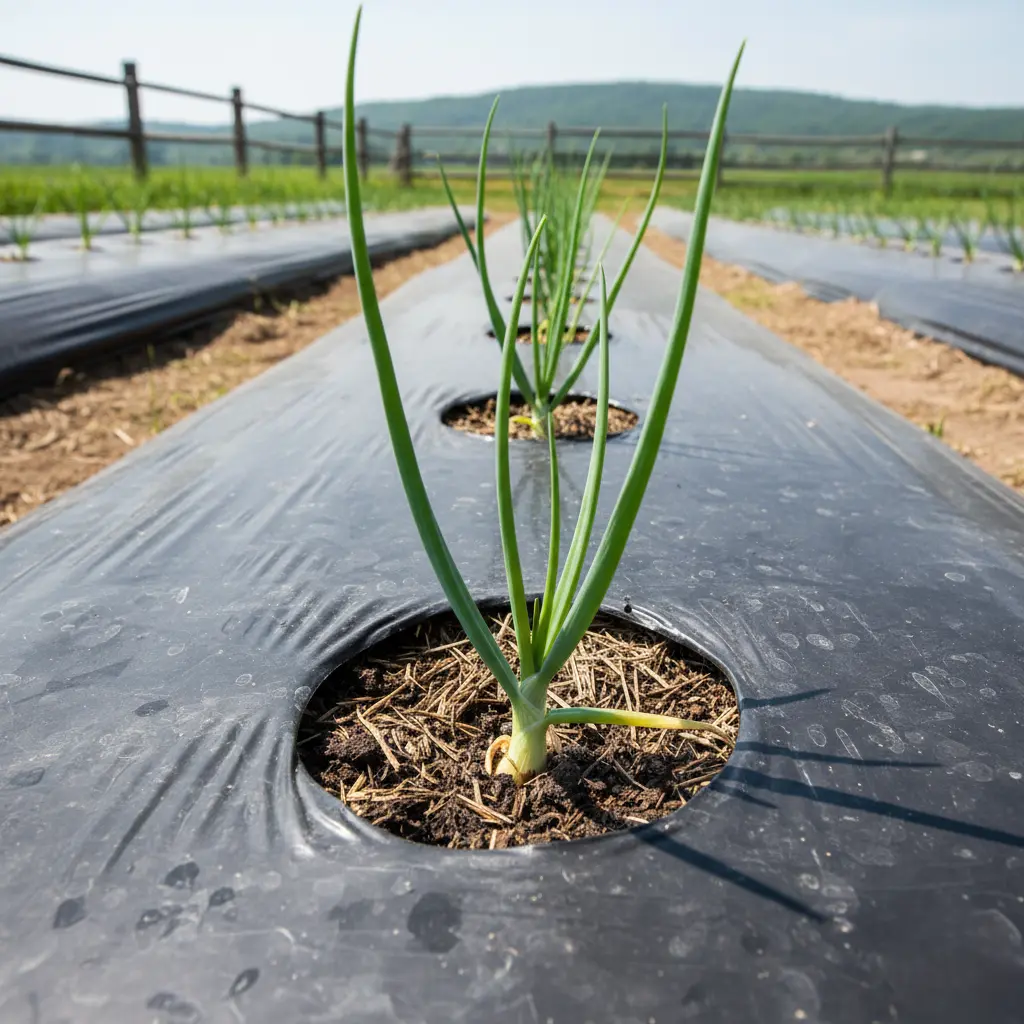
Onion Mulching
Onion mulching has emerged as a game-changing agricultural practice that significantly enhances crop productivity while conserving precious resources. This proven technique involves covering the soil surface around onion plants with protective materials, creating an optimal growing environment that addresses multiple farming challenges simultaneously.
As one of India’s most important commercial crops, onions require careful cultivation practices to maximize yields and quality. Modern farmers are increasingly adopting mulching strategies to overcome common obstacles such as weed competition, moisture loss, and soil temperature fluctuations that can severely impact onion production.
Understanding Onion Mulch Film Application
Mulch film application for onion cultivation represents a scientific approach to modern agriculture. The process involves laying specialized plastic films over prepared beds before or after transplanting onion seedlings, creating a protective barrier between the soil and external environment.
This method has gained tremendous popularity among progressive farmers who work with reliable mulch film manufacturers to source quality materials. The films come in various thicknesses and colors, each designed to serve specific agronomic purposes while maintaining durability throughout the growing season.
Working with established mulch film manufacturers in Indore and other agricultural hubs ensures farmers receive products that meet rigorous quality standards. These manufacturers understand local soil conditions, climate patterns, and crop requirements, enabling them to produce films optimized for Indian farming conditions.
Key Benefits of Mulching Onions
The advantages of implementing onion mulching practices extend far beyond simple weed control. This comprehensive approach to crop management delivers measurable improvements across multiple aspects of onion cultivation.
Moisture Conservation and Water Efficiency
Mulch films dramatically reduce water evaporation from the soil surface, maintaining consistent moisture levels around onion roots. This conservation effect can reduce irrigation requirements by 30-40%, making it particularly valuable in water-scarce regions. The improved moisture retention also promotes uniform bulb development and reduces the risk of growth cracks.
Weed Suppression and Labor Savings
One of the most significant advantages of plastic mulching is its exceptional weed control capability. By blocking sunlight from reaching the soil, mulch films prevent weed seed germination and eliminate competition for nutrients and water. This reduction in weed pressure can decrease manual weeding labor by up to 80%, representing substantial cost savings for farmers.
Soil Temperature Regulation
Mulch films help moderate soil temperatures, keeping roots cooler during hot periods and warmer during cold spells. This temperature buffering effect promotes steady growth rates and can extend the growing season. Black mulch films absorb heat, while reflective or white films help cool the soil in extremely hot conditions.
Enhanced Nutrient Efficiency
Mulching reduces nutrient leaching caused by excessive rainfall or irrigation, keeping fertilizers in the root zone where plants can access them. This improved efficiency means farmers can achieve better results with optimized fertilizer applications, reducing input costs while minimizing environmental impact.
Types of Mulch Materials for Onion Farming
Farmers have several mulching options available, each offering distinct advantages depending on specific farm conditions and objectives.
- Plastic Mulch Films
Plastic films remain the most popular choice for commercial onion production due to their durability, effectiveness, and ease of application. Black plastic films are most common, providing excellent weed control and moderate soil warming. Silver or reflective mulches can repel certain insect pests while also cooling the soil. Biodegradable plastic films offer environmental benefits by eliminating removal and disposal concerns. - Organic Mulches
Straw, dried leaves, and crop residues serve as effective organic mulching materials. These options improve soil structure as they decompose, adding organic matter and nutrients. However, organic mulches may harbor pests, require more material to achieve adequate coverage, and need periodic replenishment throughout the growing season. - Paper and Cardboard Mulches
These biodegradable options provide moderate weed control and decompose naturally into the soil. While less durable than plastic films, paper mulches appeal to organic farmers and those seeking environmentally friendly alternatives.
Step-by-Step Onion Mulch Film Installation
Proper installation ensures maximum benefits from your mulching investment. Follow these essential steps for successful implementation.
- Land Preparation
Begin with thorough field preparation, removing crop residues, stones, and debris that could puncture the mulch film. Create raised beds with proper dimensions typically 1-1.2 meters wide and 15-20 cm high with adequate drainage channels between beds. Incorporate organic matter and basal fertilizers before laying the mulch.
- Film Laying Technique
Lay the mulch film when soil moisture is optimal, typically after irrigation. Stretch the film tightly across beds to prevent wind damage and water pooling. Bury the edges in soil trenches along bed sides, ensuring secure anchoring that will withstand weather conditions throughout the season.
- Transplanting Through Mulch
Make appropriate-sized holes in the film at recommended spacing usually 10-15 cm between plants within rows and 15-20 cm between rows. Plant onion seedlings through these holes, ensuring the root-soil contact is firm. The film should lie flat against the bed surface without gaps that could allow weed growth.
Best Management Practices for Mulched Onion Crops
Successful onion mulching requires attention to specific management considerations that differ from conventional cultivation.
- Irrigation Management
Drip irrigation systems work exceptionally well with mulch films, delivering water directly to plant roots while keeping the mulch surface dry. Install drip lines before laying the mulch for optimal results. Monitor soil moisture regularly, as the mulch prevents visual assessment of moisture levels. Adjust irrigation frequency based on crop growth stages and weather conditions.
- Fertilizer Application
Apply most fertilizers before mulch installation, as top-dressing becomes challenging once films are laid. Liquid fertilizers can be delivered through drip systems for in-season nutrient management. Foliar applications provide another option for addressing deficiencies observed during crop growth.
- Pest and Disease Monitoring
While mulches can reduce certain pest problems, they may create favorable conditions for others. Regularly inspect crops for thrips, which can still affect onion leaves. Monitor for fungal diseases, especially in high-humidity conditions where mulch edges meet stems. Remove and dispose of any infected plants promptly to prevent disease spread.
Selecting Quality Mulch Film Products
Partnering with reputable mulch film manufacturers & trader operations ensures access to products that perform reliably under field conditions.
Quality mulch films should exhibit adequate thickness (typically 25-30 microns for onions), uniform composition without weak spots, and appropriate UV stabilization for your region’s sunlight intensity. Films should maintain integrity throughout the crop cycle without premature degradation.
When sourcing from mulch film manufacturers in Indore or other locations, verify that products meet relevant agricultural standards. Request samples for field testing before committing to large purchases. Consider factors like film color, width availability, and technical support services when evaluating suppliers.
Environmental Considerations and Sustainability
Modern agriculture increasingly emphasizes sustainable practices that protect long-term soil health and environmental quality.
Used plastic mulch films require responsible disposal or recycling. Explore collection programs offered by some manufacturers or local agricultural cooperatives. Biodegradable mulch films, while sometimes more expensive initially, eliminate disposal concerns and may align better with organic farming principles.
Consider the complete lifecycle impact of mulching materials, including manufacturing, transportation, use, and disposal stages. Balance immediate productivity gains against long-term sustainability goals when making mulching decisions for your farm.
Economic Analysis of Onion Mulching
Understanding the financial implications helps farmers make informed decisions about adopting mulching practices.
Initial investment includes mulch material costs, installation labor, and potentially drip irrigation equipment. These upfront expenses are offset by reduced weeding labor, lower irrigation costs, improved yields, and better bulb quality that commands premium market prices.
Most farmers report positive returns on mulching investments within a single growing season. The exact payback period depends on farm size, local labor costs, water availability, and market conditions. Detailed record-keeping helps evaluate mulching performance and refine practices over successive seasons.