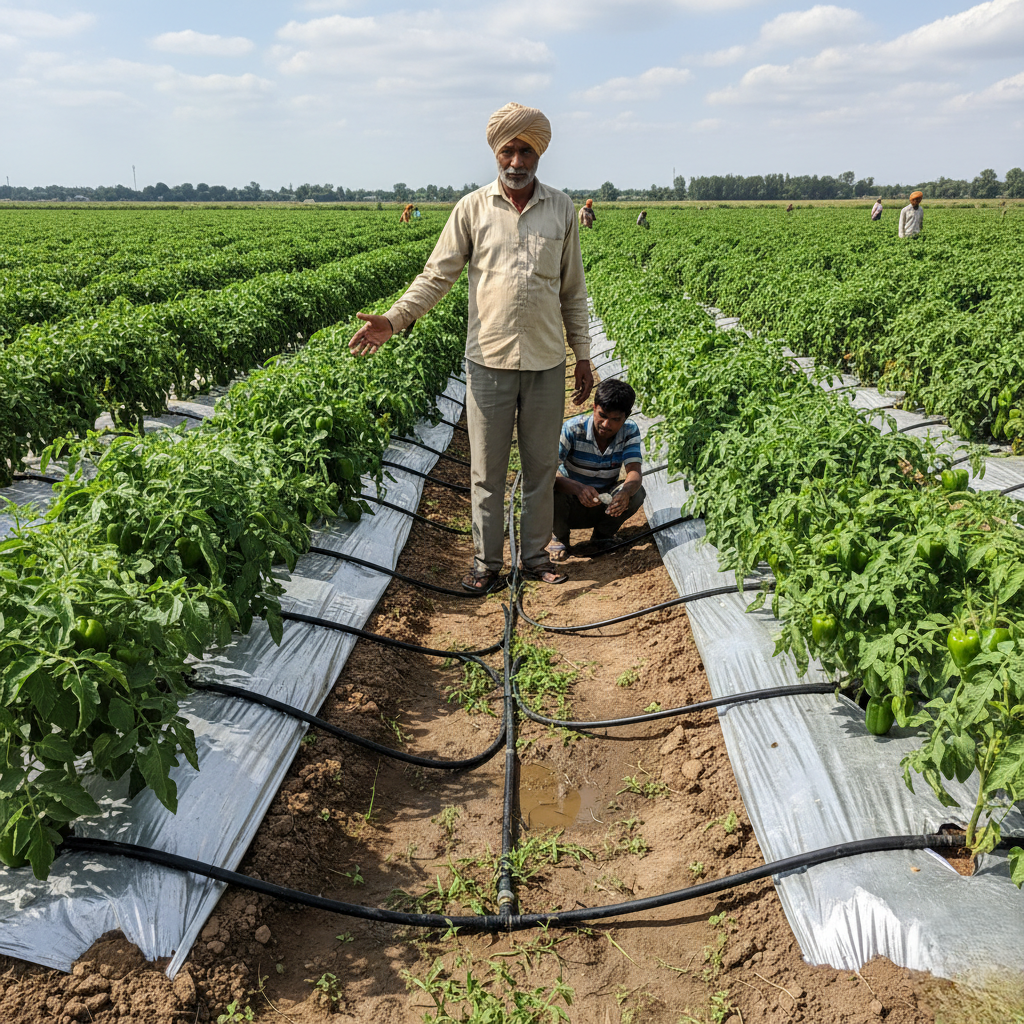
Drip irrigation systems have transformed modern farming by ensuring that every drop of water counts. However, just like any other agricultural investment, regular maintenance in drip irrigation systems is crucial to keep them running efficiently. Without proper care, even the best systems can become clogged, uneven, or wasteful reducing crop yield and increasing operational costs.
Why Regular Maintenance in Drip Irrigation Systems Is Important
Regular maintenance in drip irrigation systems ensures that water is distributed evenly across your fields, helping crops receive the right amount of moisture and nutrients. Over time, emitters can get clogged due to sediment, algae, or mineral deposits. Pipes may crack under sunlight exposure, and filters can become blocked causing inconsistent water flow.
By performing routine maintenance, farmers can:
- Prevent system blockages and water waste.
- Improve crop uniformity and growth.
- Reduce energy and repair costs.
- Extend the life of irrigation components.
In regions like Indore, where water conservation is critical, maintaining your drip irrigation system is not just a practice it’s a necessity for sustainable farming.
Common Problems Without Proper Maintenance
If maintenance is ignored, drip irrigation systems can develop several problems that directly affect productivity and water efficiency. Some common issues include:
1. Clogged Emitters
Sediments, algae, or chemical residues can block emitters, leading to uneven water distribution. This causes some plants to receive too little water while others get too much.
2. Filter Blockages
Filters play a vital role in keeping the water clean. When neglected, filters get clogged, reducing water pressure and efficiency.
3. Pipe Cracks or Leaks
Sunlight, rodents, or farm machinery can damage pipes. Small leaks, if unnoticed, can waste significant amounts of water.
4. Uneven Pressure Levels
Incorrect pressure affects the system’s performance. High pressure can burst pipes, while low pressure can reduce flow to distant emitters.
By addressing these issues early through regular maintenance in drip irrigation systems, farmers can ensure consistent irrigation and maximize water-use efficiency.
Steps for Effective Maintenance in Drip Irrigation Systems
1. Inspect the System Regularly
A visual inspection once a week can help you identify early signs of leaks, damaged pipes, or clogged emitters. Walking along the drip lines allows you to spot irregularities in water flow and pressure quickly.
2. Clean Filters Frequently
Filters are the first line of defense in any drip irrigation system. Cleaning them at least once every two weeks or more often in areas with hard water prevents debris buildup that can clog emitters.
3. Flush the System Periodically
Flushing involves opening the line ends and allowing water to run through, clearing out sediment or dirt. This step is essential after every fertigation cycle or before seasonal use.
4. Use Proper Water Treatment
Water quality affects system performance. Adding filters, chlorination, or acid treatment (when needed) helps control algae and mineral deposits inside the pipes.
5. Check Emitters for Blockages
Remove and test emitters periodically. If water flow is uneven or weak, soak emitters in a mild acid solution to dissolve mineral deposits.
6. Monitor System Pressure
Install a pressure gauge to ensure that water pressure remains within the manufacturer’s recommended range. This simple tool can help identify leaks or blockages early.
7. Protect Components from Sun and Rodents
Use UV-resistant pipes and cover exposed parts to prevent damage from sunlight. In rodent-prone areas, bury pipes slightly deeper or use protective covers.
Regular inspections, cleaning, and water testing can go a long way in maintaining your drip irrigation system and ensuring long-term performance.
Seasonal Maintenance Tips for Drip Irrigation Systems
Different seasons bring different challenges. Here’s how you can plan your maintenance:
Pre-Season Maintenance
- Check for leaks or cracks in pipes.
- Clean all filters and flush the system thoroughly.
- Test water pressure and flow rates.
- Replace worn-out emitters or fittings.
Mid-Season Maintenance
- Inspect for clogging due to fertilizer residues.
- Clean filters weekly.
- Ensure uniform water distribution across all plants.
Post-Season Maintenance
- Flush lines completely before storage.
- Remove and store filters and emitters safely.
- Protect exposed pipes from extreme heat or cold.
By following these seasonal steps, you can prevent costly breakdowns and ensure that your drip irrigation in Indore performs optimally year-round.
Benefits of Regular Maintenance in Drip Irrigation Systems
1. Consistent Water Flow
Proper maintenance ensures that water reaches every plant equally, reducing stress and promoting uniform growth.
2. Cost Savings
Preventing leaks and clogs reduces water and energy costs. Regular upkeep also avoids expensive repairs later.
3. Longer System Lifespan
Well-maintained systems can last for years, making your investment in a drip irrigation system more valuable.
4. Better Crop Yield
Healthy irrigation means healthier crops. Consistent moisture levels enhance root development and productivity.
5. Sustainable Water Use
In water-scarce areas like Indore, maintaining your drip system supports eco-friendly and sustainable agriculture.
Choosing the Right Drip Irrigation Supplier in Indore
If you’re planning to install or upgrade your drip irrigation system in Indore, it’s important to choose a trusted supplier. A reliable drip irrigation supplier in Indore like Brownfield India can provide:
- High-quality drip lines, filters, and emitters.
- Expert guidance on system design and layout.
- Maintenance and repair support for long-term efficiency.
- Access to spare parts and latest irrigation technologies.
Partnering with an experienced supplier ensures your irrigation system performs effectively throughout the farming season.
Simple Maintenance Checklist
Use this quick checklist to keep your system running smoothly:
- Clean filters every 10–15 days.
- Flush lines monthly.
- Inspect emitters for blockages.
- Check for leaks or damaged pipes.
- Monitor water pressure regularly.
- Schedule annual servicing with your drip supplier.
Following this checklist can prevent 80% of common irrigation problems and keep your farm operations smooth and efficient.
Frequently Asked Questions (FAQs)
1. How often should I clean drip irrigation filters?
Filters should be cleaned every 1–2 weeks, depending on water quality and usage frequency.
2. What causes emitters to clog?
Common causes include sediment, algae, and fertilizer residues. Regular flushing and filtration help prevent clogging.
3. Can I repair leaks in drip pipes myself?
Yes, small leaks can be fixed using connectors or couplers, but larger damages may require professional help from a drip irrigation supplier in Indore.
4. Is regular maintenance really necessary?
Absolutely. Routine maintenance in drip irrigation systems ensures water efficiency, saves money, and increases crop yield.
5. Who provides the best drip irrigation systems in Indore?
Brownfield India is among the trusted suppliers offering top-quality drip irrigation systems in Indore, expert support, and reliable maintenance services.
Conclusion
Regular maintenance in drip irrigation systems is not just a routine task—it’s the foundation of efficient, sustainable, and profitable farming. By cleaning filters, flushing lines, and monitoring pressure, you can prevent system failures and maximize water efficiency.
For farmers in Indore, partnering with Brownfield India ensures you get high-quality irrigation products, expert guidance, and ongoing support to keep your fields flourishing.
Take the next step Contact us on Whatsapp today to learn more about installing and maintaining a reliable drip irrigation system in Indore for your farm’s long-term success.