
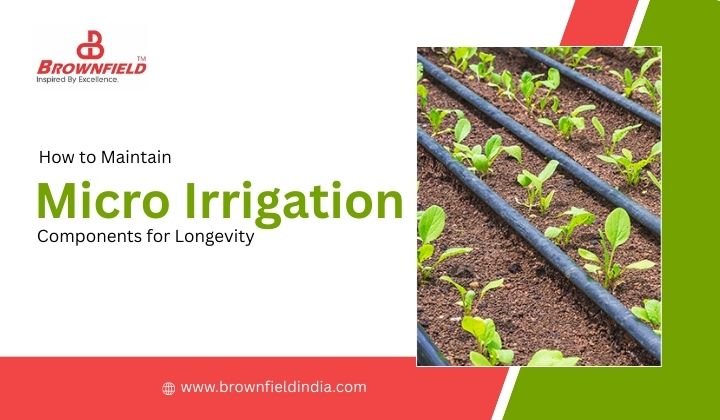
Micro irrigation components represent a significant investment for any farming operation, and proper maintenance is the key to maximizing their lifespan and performance. With water scarcity becoming an increasingly critical concern, maintaining efficient irrigation systems is not just about cost savings but also about sustainable agriculture. This comprehensive guide will walk you through essential maintenance practices that ensure your irrigation equipment delivers optimal performance for years to come.
Suresh Kumar, a farmer from Madhya Pradesh, installed a drip irrigation system across his 10-acre cotton farm. Initially, he experienced frequent clogging issues and pressure inconsistencies that threatened his crop yields. After consulting with micro irrigation system suppliers Indore, he implemented a rigorous maintenance schedule including weekly filter cleaning and monthly system flushing.
Understanding Micro Irrigation Components
Before diving into maintenance practices, it’s essential to understand the key components of your system. Efficient irrigation components for agriculture typically include filters, pressure regulators, distribution pipes, emitters, valves, and connectors. Each component plays a vital role in system performance and requires specific maintenance attention.
The filter prevents debris from entering the system and clogging emitters. Pressure regulators maintain consistent water pressure throughout the network. Emitters deliver precise water quantities directly to plant root zones. Understanding how these components work together helps you identify potential problems early and implement effective maintenance strategies.
Essential Filter Maintenance Practices
Filters are the first line of defense against system clogging and require the most frequent attention. Preventing clogging in drip systems starts with proper filter maintenance, which should be performed weekly during peak irrigation seasons and bi-weekly during lighter use periods.
Screen filters need thorough cleaning to remove accumulated sediment and organic matter. Remove the filter screen carefully, rinse it under clean running water, and use a soft brush to dislodge stubborn particles. Inspect the screen for tears or damage that could allow debris to pass through. Replace damaged screens immediately to maintain system protection.
Disk filters require disassembly for proper cleaning. Separate the filter disks and rinse each one individually under pressure. Check the disk grooves for embedded particles that could reduce filtration efficiency. Reassemble the filter carefully, ensuring proper alignment and seal integrity before returning it to service.
Emitter Cleaning and Care
Emitters are precision components that deliver water directly to plants, making their maintenance critical for system performance. Irrigation emitter cleaning should be performed at least twice per growing season, or more frequently if you notice inconsistent water distribution or reduced flow rates.
Micro irrigation system care for emitters includes both preventive and corrective measures:
- Flush lateral lines regularly to prevent sediment accumulation in emitters
- Use acid treatment for mineral deposits when water hardness causes buildup
- Replace damaged or severely clogged emitters rather than attempting extensive cleaning
- Monitor emitter output patterns to identify clogging before it affects crop health
- Install pressure-compensating emitters in systems with varying terrain to ensure uniform distribution
Chemical treatments using dilute acids can dissolve mineral deposits in emitters. However, this should be done carefully following manufacturer guidelines and safety protocols. Always flush the system thoroughly after chemical treatments to remove residual acids that could damage components or harm plants.
Pressure Regulator and Valve Maintenance
Pressure regulators ensure consistent water delivery throughout your irrigation network. These components require regular inspection to verify they’re maintaining specified pressure ranges. Check pressure readings at multiple points in the system using a reliable pressure gauge.
Clean valve diaphragms and seats annually to prevent leaks and ensure proper operation. Inspect O-rings and gaskets for wear, replacing them at the first sign of deterioration. Lubricate moving parts with food-grade lubricant appropriate for irrigation systems to maintain smooth operation and prevent corrosion.
Solenoid valves used in automated systems need additional attention. Test electrical connections for corrosion and ensure wire insulation remains intact. Verify that solenoids activate and deactivate properly by listening for the characteristic click and observing pressure changes during operation.
Managing Water Quality for System Longevity
Water quality directly impacts long-lasting irrigation equipment performance. High mineral content, biological growth, and suspended particles all contribute to system degradation. Regular water quality testing helps you adjust maintenance schedules and treatment protocols accordingly.
Micro irrigation equipment Indore suppliers recommend quarterly water analysis to monitor changes in mineral content, pH levels, and biological indicators. This information guides decisions about filtration requirements, chemical treatment frequency, and flushing protocols that extend component life.
Consider installing secondary filtration or water treatment systems if your source water contains high levels of iron, calcium, or biological contaminants. Pre-treatment significantly reduces maintenance requirements and extends the operational life of expensive system components.
Seasonal Maintenance Protocols
Different seasons require different maintenance approaches. During active growing seasons, increase inspection frequency and be vigilant for signs of performance degradation. Monitor crop appearance for indicators of water stress that might signal irrigation problems.
Pre-season preparation is crucial for reliable operation:
- Inspect all components for winter damage or deterioration
- Replace worn gaskets, O-rings, and other consumable parts
- Test system pressure and flow rates before planting
- Verify that automation systems and controllers function properly
- Clean and calibrate fertilizer injection equipment
End-of-season maintenance protects your investment during dormant periods. Drain all water from pipes and components in regions with freezing temperatures. Store removable components in protected locations. Document any repairs needed before the next season to ensure timely parts ordering.
Pipe and Connector Inspection
Distribution pipes and connectors form the irrigation system’s backbone. While these components typically require less frequent maintenance than filters and emitters, regular inspection prevents costly failures. Walk your field regularly, looking for leaks, damage, or signs of stress on pipes and fittings.
UV degradation affects above-ground pipes, particularly in regions with intense sunlight. Inspect exposed pipes for brittleness, discoloration, or cracking that indicates deterioration. Consider burying shallow pipes or providing shade protection to extend their lifespan in harsh conditions.
Check connector fittings for tightness, especially after temperature fluctuations that cause expansion and contraction. Leaking connectors waste water and create low-pressure zones that affect crop irrigation. Replace damaged connectors promptly using high-quality parts compatible with your system specifications.
Automation System Maintenance
Modern micro irrigation systems for farms often include sophisticated automation and control systems. These components require specialized maintenance to ensure reliable operation. Battery backup systems need annual testing and battery replacement according to manufacturer schedules.
Sensor calibration is critical for accurate irrigation scheduling. Soil moisture sensors accumulate mineral deposits and require periodic cleaning. Temperature and weather sensors need protection from environmental damage and regular accuracy verification against known standards.
Controller programming should be reviewed seasonally to ensure irrigation schedules match current crop needs. Update software when manufacturers release improvements that enhance functionality or fix bugs. Maintain backup copies of programming to facilitate quick recovery if controllers fail.
Troubleshooting Common Issues
Early problem detection prevents minor issues from becoming major failures. Best practices to extend life of micro irrigation equipment include systematic troubleshooting when performance deviates from normal parameters.
Reduced system pressure often indicates filter clogging, pipe leaks, or pump problems. Start with the simplest explanation by checking filters before investigating more complex possibilities. Use pressure gauges at multiple points to isolate problem areas.
Uneven water distribution suggests emitter clogging, pressure regulation failures, or pipe damage. Compare emitter output across different zones to identify patterns. Systematic zone-by-zone inspection reveals whether problems are localized or systemic.
Record Keeping and Documentation
Comprehensive maintenance records are invaluable for sustainable irrigation practices and long-term system management. Document all maintenance activities, component replacements, and performance observations in a dedicated logbook or digital system.
Track filter cleaning frequency and note any changes in cleaning requirements over time. This information reveals trends in water quality or system degradation that inform proactive management decisions. Record pressure readings, flow rates, and emitter output measurements to establish performance baselines.
Maintenance records also prove valuable when planning system expansions or upgrades. Historical data about component failures, replacement costs, and performance issues guide equipment selection and design decisions for future projects.
Working with Professional Service Providers
While many maintenance tasks are straightforward, some situations require professional expertise. Micro irrigation components suppliers often provide technical support and maintenance services that complement your in-house efforts.
Establish relationships with reliable service providers before emergencies occur. Professional technicians bring specialized tools, diagnostic equipment, and experience that make complex repairs faster and more effective. Annual professional inspections can identify developing problems that might escape routine observation.
Consider service contracts for large or complex systems where downtime carries significant economic consequences. Professional maintenance programs ensure consistent care and often include priority service during peak season when quick problem resolution is critical.
Cost-Benefit Analysis of Proactive Maintenance
Understanding the financial impact of maintenance helps justify investment in proper care. Improving irrigation efficiency through maintenance delivers returns that far exceed the time and money invested in routine upkeep.
Compare the cost of regular filter cleaning against premature emitter replacement. A $50 annual investment in filters and cleaning supplies prevents thousands in emitter replacement costs. Similarly, annual valve service costing $200 prevents unexpected failures during critical irrigation periods that could cost tens of thousands in crop losses.
Quantify water savings from well-maintained systems operating at peak efficiency. A 10% improvement in distribution uniformity translates directly to reduced water consumption and lower pumping costs. Over a system’s 10-15 year lifespan, these savings typically exceed the original installation cost.
Environmental Benefits of Proper Maintenance
Well-maintained irrigation systems support environmental sustainability beyond water conservation. Reduce water wastage in irrigation through maintenance minimizes agricultural runoff that carries nutrients and pesticides into waterways.
Efficient systems reduce energy consumption for pumping, lowering greenhouse gas emissions associated with agricultural production. Precise water application prevents over-irrigation that leaches nutrients below the root zone, protecting groundwater quality while improving fertilizer efficiency.
Extending equipment lifespan through maintenance reduces manufacturing demand and waste associated with premature component replacement. This circular approach to resource management aligns with global sustainability goals while improving farm profitability.
Future-Proofing Your Irrigation System
As you maintain current components, consider upgrades that enhance system performance and simplify maintenance. Newer emitter designs incorporate anti-clogging features that reduce cleaning frequency. Advanced filters with automatic backflushing minimize manual intervention while maintaining effective filtration.
Smart irrigation controllers with weather-based scheduling and soil moisture integration optimize water application while reducing manual programming requirements. While these upgrades represent additional investment, they often pay for themselves through labor savings and improved efficiency.
Plan component replacement proactively rather than reactively. Replace aging components before they fail during critical periods. Staged replacement spreads costs over multiple seasons while preventing emergency purchases at premium prices.
FAQ’s About Micro Irrigation
1. What maintenance does micro-irrigation need?
Regular filter cleaning, emitter flushing, pressure checks, valve inspection, and seasonal system preparation ensure optimal performance and extended component lifespan effectively.
2. What is the 30/30 rule for irrigation?
The rule suggests irrigating before 30% soil moisture depletion and replacing 30% of crop water needs per application for optimal efficiency.
3. What is the best way to maintain an irrigation system?
Implement scheduled filter cleaning, regular emitter flushing, pressure monitoring, valve servicing, and comprehensive record-keeping for consistent long-term performance and reliability.
4. How can we improve the efficiency of irrigation?
Regular maintenance, pressure optimization, emitter uniformity testing, leak repair, and automation upgrades significantly enhance water delivery efficiency and crop performance consistently.
5. What are the problems with micro irrigation?
Common issues include emitter clogging from sediment or minerals, pressure fluctuations, pipe damage, filter saturation, and automation failures requiring systematic maintenance.
6. What is the lifespan of a drip irrigation system?
Properly maintained systems last 10-15 years, though individual components like emitters may require replacement every 3-7 years depending on conditions.
7. What are the main components of a micro irrigation system?
Filters, pressure regulators, distribution pipes, emitters, valves, connectors, controllers, and fertilizer injection equipment comprise complete irrigation systems for precision agriculture.
8. What is the efficiency of micro irrigation?
Well-maintained micro irrigation systems achieve 85-95% water application efficiency, significantly higher than conventional sprinkler or flood irrigation methods typically achieve.
9. How often should the irrigation system be maintained?
Weekly filter checks during peak season, monthly emitter inspections, quarterly valve servicing, and comprehensive annual maintenance ensure optimal system performance.
10. What is the 30 30 rule for drip irrigation?
This guideline recommends irrigating when soil moisture drops 30% and replenishing 30% of water capacity to optimize crop growth while conserving resources.
Conclusion
Maintaining micro irrigation components is not simply a technical requirement but a strategic investment in agricultural sustainability and profitability. Through systematic care, regular inspections, and proactive replacement of worn parts, farmers can extend system lifespans well beyond industry averages while maintaining peak performance. The combination of proper drip irrigation maintenance practices, quality components, and professional support creates irrigation systems that deliver reliable, efficient water management for over a decade. As demonstrated through real-world case studies and supported by agricultural research, the modest investment in regular maintenance yields substantial returns through reduced replacement costs, improved water efficiency, and consistent crop performance. Whether managing a small vegetable operation or large commercial farm, implementing the maintenance practices outlined in this guide will protect your irrigation investment while supporting sustainable farming practices that benefit both your operation and the environment.