3 Month Mulch Film
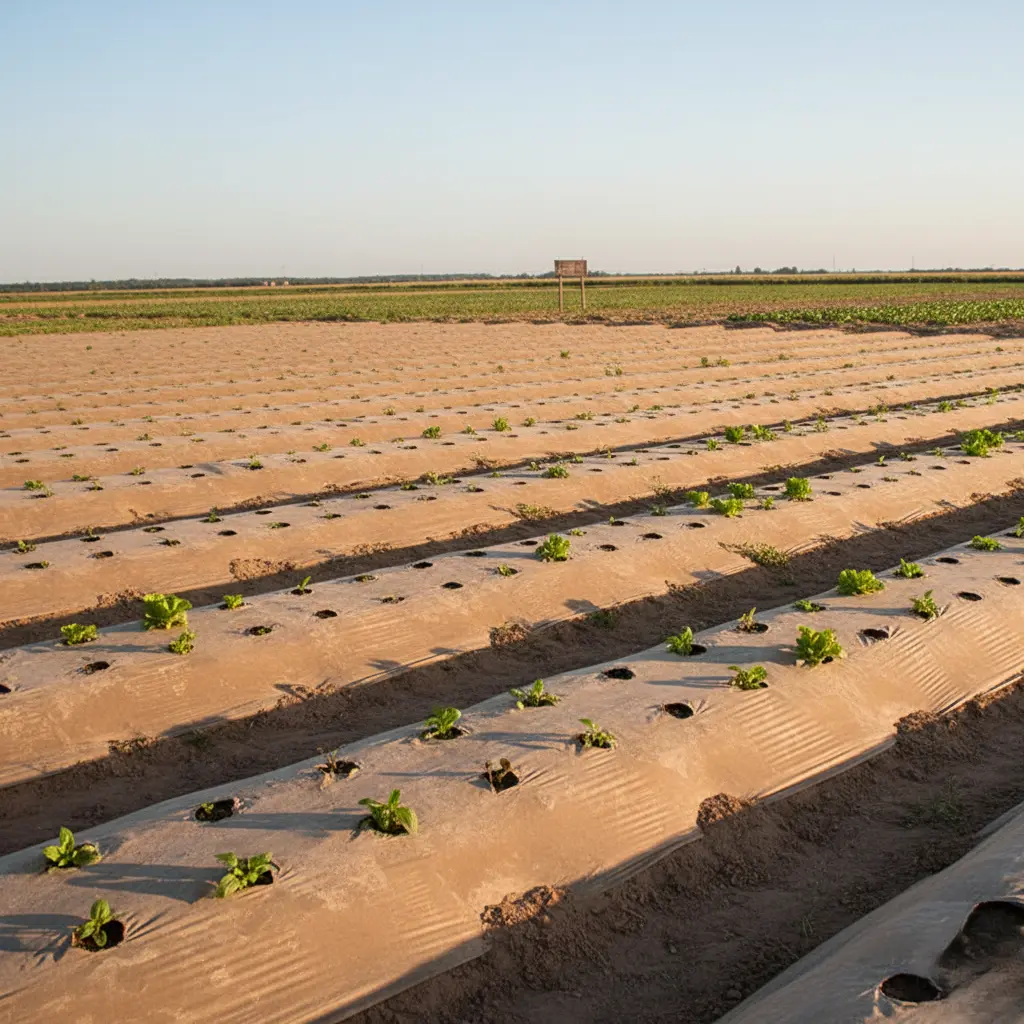
18 Micron Hole Punching Mulch: Revolutionary Solution for Precision Farming
When it comes to modern agricultural practices, 3 month mulch film has emerged as a game-changing solution for farmers seeking effective crop protection for short-duration cultivation cycles. This specialized plastic covering provides an optimal balance between protection and biodegradability, making it ideal for quick-turnaround crops and seasonal farming operations.
What is 3 Month Mulch Film and How Does It Work?
3 month mulch film is a specially engineered agricultural plastic sheeting designed to provide ground cover protection for approximately 90 days. Unlike standard plastic mulches that may last an entire growing season or longer, this short-term variant is formulated to maintain its structural integrity and protective qualities for a precise three-month period.
The film works by creating a protective barrier over the soil surface, which helps regulate soil temperature, retain moisture, suppress weed growth, and protect crops from soil-borne diseases. As the name suggests, the material is engineered to remain functional throughout a standard three-month growing cycle before beginning to degrade naturally.
This innovative agricultural product combines the benefits of traditional plastic mulching with environmental consciousness. The controlled degradation timeline ensures that farmers get maximum protection during the critical growth phase without leaving long-lasting plastic residue in their fields.
Key Benefits of Using Short-Term Mulching Films
Implementing 3 month mulch film in your agricultural operations offers numerous advantages that directly impact both crop quality and farm economics.
- Enhanced Crop Growth and Yield
The protective barrier created by mulch film manufacturers creates an ideal microenvironment for plant roots. By maintaining consistent soil temperatures and moisture levels, plants experience less stress and can focus energy on growth and fruit production rather than survival.
- Water Conservation and Irrigation Efficiency
One of the most significant benefits of agricultural plastic mulch is its ability to reduce water consumption dramatically. The impermeable barrier prevents evaporation from the soil surface, keeping moisture where it matters most—around the root zone.
Farmers using quality mulching films report water savings of up to 30-40%, which translates to reduced irrigation costs and more sustainable water management practices. This becomes particularly crucial in regions facing water scarcity or during drought conditions.
- Weed Suppression Without Chemicals
Black and opaque mulch films from mulch film manufacturers effectively block sunlight from reaching the soil surface, preventing weed seed germination and growth. This natural weed control method reduces or eliminates the need for chemical herbicides, lowering input costs and promoting organic farming practices.
The result is cleaner fields, reduced labor costs for manual weeding, and crops that don’t have to compete with weeds for nutrients and water.
- Protection from Soil-Borne Diseases
Creating a physical barrier between the soil and plant foliage helps minimize the spread of soil-borne pathogens. Splashing water from rain or irrigation cannot carry disease organisms from the soil onto plant leaves, significantly reducing disease pressure.
Applications and Ideal Crops for 3 Month Mulch Film
The three-month degradation timeline makes this type of plastic mulch particularly suitable for specific agricultural applications and crop types.
Vegetable Production
Short-season vegetables are perfect candidates for 3 month mulch film application. Crops such as lettuce, spinach, radishes, and other leafy greens that mature within 60-90 days benefit tremendously from the controlled growing environment these films provide.
Mulch film manufacturers in Indore and other agricultural hubs produce variants specifically optimized for vegetable production, with appropriate thickness and color options to suit different crops and climatic conditions.
Strawberry and Berry Cultivation
Strawberries and similar berry crops that have concentrated fruiting periods align perfectly with the three-month protection window. The mulch keeps fruits clean, reduces rot, and extends the harvest season by maintaining optimal soil conditions.
Seasonal Flower Production
Commercial flower growers producing short-cycle ornamentals find three-month duration films ideal for their operations. The mulch maintains clean working conditions, prevents soil splashing on blooms, and creates the stable environment flowers need for maximum quality.
Choosing the Right Mulch Film for Your Farm
Selecting appropriate agricultural plastic mulch involves considering several critical factors that will determine your success.
Thickness and Durability
Mulch film manufacturers produce films in various thicknesses, typically ranging from 15 to 50 microns. For a true three-month duration, films in the 20-30 micron range usually provide the best balance of strength and appropriate degradation timing.
Thicker films offer more durability but may persist longer than desired, while thinner options might degrade prematurely in harsh conditions.
Color Selection and Its Impact
The color of your mulching film significantly affects its performance characteristics:
- Black mulch films: Excellent for weed suppression and soil warming in cooler climates
- Silver or reflective films: Help repel certain insect pests and reduce heat buildup in hot climates
- White films: Reflect light and keep soil cooler in extremely hot conditions
- Brown or green films: Provide moderate temperature control with better aesthetic appeal
Width and Installation Considerations
Standard widths range from 3 to 6 feet, though custom widths are available from most mulch film manufacturers in Indore and other production centers. Choose width based on your bed size, crop spacing, and installation equipment.
Consider the installation method when making your selection. Some films come with pre-punched holes for transplants, while others require manual or machine perforation after laying.
Best Practices for Installation and Maintenance
Proper installation and ongoing management ensure you maximize the benefits of your 3 month mulch film investment.
Soil Preparation
Before laying mulch film, ensure the soil is properly prepared:
- Remove debris, rocks, and sharp objects that could puncture the film
- Create smooth, well-shaped beds with proper drainage
- Apply necessary fertilizers and amendments, as post-installation soil modification becomes difficult
- Ensure adequate soil moisture before installation
Installation Techniques
Work with mulch film manufacturers & trader recommendations for installation:
- Install on calm days to prevent wind damage during application
- Ensure proper tension to avoid wrinkles that create pest harbors
- Bury edges securely to prevent wind uplift
- Create proper plant holes without excessive tearing
Monitoring and Management
Throughout the three-month period, regular monitoring ensures the film continues performing effectively:
- Check for tears or damage and repair promptly
- Monitor irrigation to ensure water reaches root zones
- Watch for pest accumulation under damaged areas
- Ensure anchoring remains secure, especially after storms
Environmental Considerations and Sustainability
While agricultural plastic mulch offers tremendous benefits, responsible use considers environmental impacts.
- Proper Disposal and Recycling
As your 3 month mulch film reaches the end of its functional life, proper disposal becomes important. Many regions now have agricultural plastic recycling programs that accept used mulching films.
Contact local agricultural extension services or waste management facilities about recycling options in your area. Some progressive mulch film manufacturers now offer take-back programs for used materials.
- Biodegradable Alternatives
The agricultural industry continues developing biodegradable mulch films that break down naturally in soil. While these products typically cost more initially, they eliminate disposal concerns and may align better with organic farming certifications.
Working with Reliable Mulch Film Manufacturers
Sourcing quality mulching materials from reputable suppliers ensures consistent performance and value for your investment.
What to Look for in Suppliers
When selecting mulch film manufacturers in Indore or other locations, consider these factors:
- Product quality certifications and testing standards
- Range of thickness and color options
- Technical support and agronomic guidance
- Delivery reliability and minimum order requirements
- Reputation among local farming community
Building Long-Term Supplier Relationships
Establishing ongoing relationships with trusted mulch film manufacturers & trader partners provides advantages beyond just product procurement. Quality suppliers offer agronomic advice, help troubleshoot problems, and often provide early access to innovative new products.
Maximizing Return on Investment
Strategic use of 3 month mulch film can dramatically improve your farm’s profitability when implemented correctly.
Cost-Benefit Analysis
Consider the complete economic picture:
- Initial material and installation costs
- Labor savings from reduced weeding
- Water savings from improved irrigation efficiency
- Yield improvements and quality enhancements
- Reduced pesticide and herbicide expenses
Most farmers find that mulch film investments pay for themselves within a single growing season through increased yields and reduced input costs.
Integration with Other Farming Systems
3 month mulch film works synergistically with other modern agricultural practices:
- Drip irrigation systems installed under mulch maximize water efficiency
- Integrated pest management programs benefit from the controlled environment
- Succession planting schedules align perfectly with three-month cycles
- Crop rotation plans can incorporate mulching for specific high-value crops
Ready to Transform Your Farming Operations?
Implementing 3 month mulch film represents a proven strategy for enhancing crop production, conserving resources, and increasing farm profitability. Whether you’re growing vegetables, berries, or flowers, this targeted approach to mulching provides exactly the protection your crops need during their critical growth period.
Take the next step toward more productive and sustainable farming. Contact experienced mulch film manufacturers in Indore and across India to discuss your specific needs and find the perfect mulching solution for your operation. Don’t let another growing season pass without experiencing the transformative benefits of professional-grade agricultural mulch films.
Connect with Brownfield India today to explore our comprehensive range of agricultural solutions and discover how quality mulch films can elevate your farming success. Our team of agricultural specialists is ready to provide personalized recommendations based on your crops, climate, and farming goals.