
2 months Mulching paper
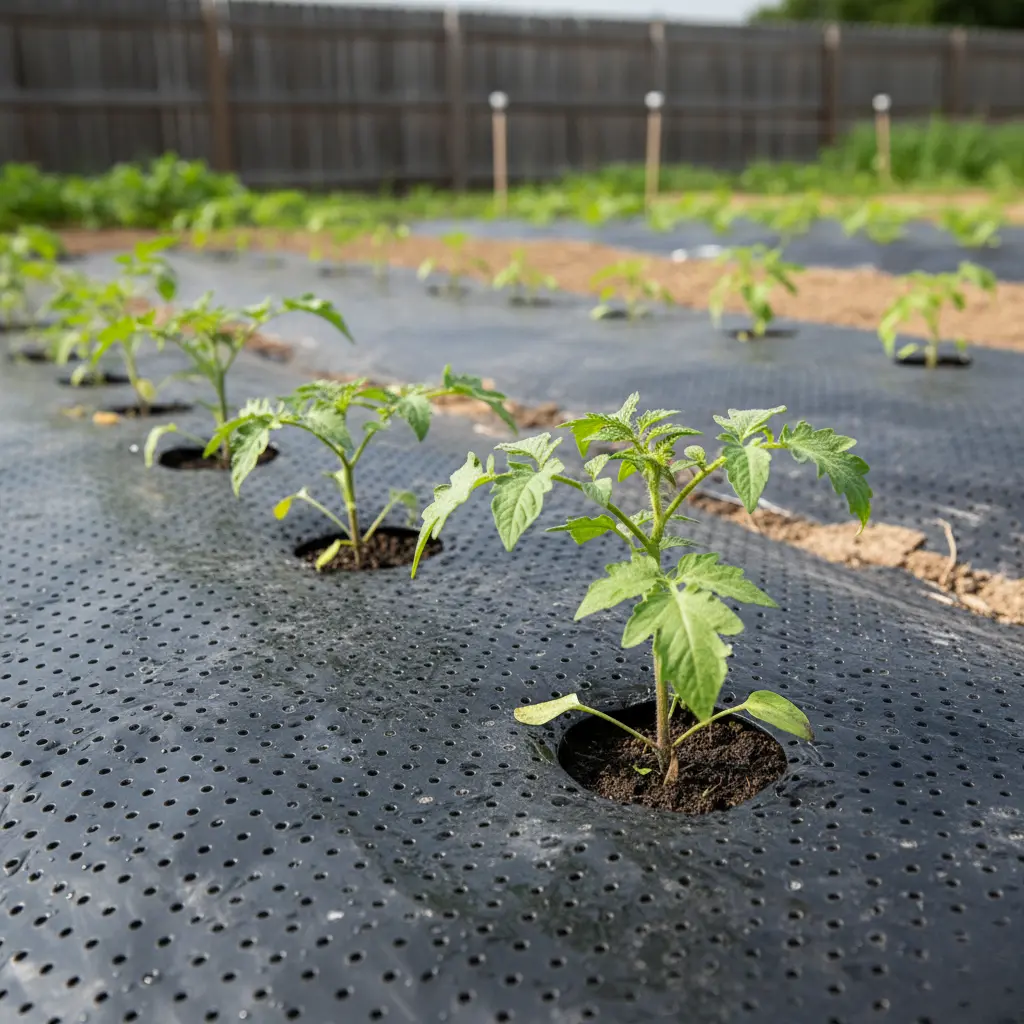
2 Months Mulching Paper
Modern agriculture demands innovative solutions that balance productivity with environmental responsibility. 2 months mulching paper has emerged as a game-changing technology for farmers cultivating short-duration crops, offering precisely timed protection without long-term environmental impact. This specialized agricultural covering provides targeted benefits during critical growing phases while naturally degrading when its purpose is fulfilled.
What is 2 Months Mulching Paper?
2 months mulching paper is a specialized biodegradable agricultural covering designed to decompose naturally after approximately 60 days of field application. Unlike traditional plastic mulch that persists in soil for years, this innovative material provides temporary protection during crucial crop establishment and early growth phases.
The paper-based composition breaks down through microbial action and environmental exposure, enriching the soil as organic matter. This controlled degradation timeline makes it ideal for crops with growing cycles of 60-90 days, eliminating the need for manual removal after harvest.
Manufactured using natural fibers and biodegradable binding agents, this mulching solution maintains structural integrity during active use while responding to soil moisture and microbial activity for decomposition. The technology represents a significant advancement in sustainable agriculture practices.
Key Benefits of Using 2 Months Mulching Paper for Agriculture
Implementing biodegradable mulch film in agricultural operations delivers multiple advantages that extend beyond simple weed control. These benefits directly impact crop yields, labor requirements, and environmental stewardship.
Soil Health Enhancement:
- Maintains optimal soil temperature during critical growth periods
- Preserves moisture levels by reducing evaporation by up to 50%
- Decomposes into organic matter that improves soil structure
- Prevents soil compaction from heavy rainfall
Crop Performance Improvements:
- Accelerates germination through consistent soil warming
- Reduces disease incidence by preventing soil splash on foliage
- Improves fruit quality by keeping produce clean and off direct ground contact
- Enhances nutrient uptake efficiency during establishment phase
Labor and Cost Efficiency:
- Eliminates post-harvest removal and disposal costs
- Reduces irrigation frequency and water consumption
- Minimizes weeding labor by suppressing weed emergence
- Decreases dependency on chemical herbicides
The environmental advantages cannot be overstated. Traditional plastic mulch contributes to agricultural waste streams and microplastic pollution. By contrast, 2 months mulching paper leaves zero synthetic residue, aligning with organic farming standards and sustainable agriculture certifications.
Ideal Crop Applications for 2 Months Biodegradable Mulch Film
The 60-day degradation period makes this mulching solution particularly suitable for specific crop categories. Understanding which crops benefit most ensures optimal resource allocation and maximum return on investment.
Vegetable Crops:
- Lettuce and leafy greens (30-45 day cycles)
- Radishes and quick-maturing root vegetables
- Bush beans and summer squash
- Early-season tomatoes and peppers
Specialty Crops:
- Strawberries during establishment
- Melon varieties with shorter growing seasons
- Herb production for fresh market sales
- Cut flower operations
Cover Crop Integration:
- Spring-planted cover crops requiring weed suppression
- Nurse crop establishment for pollinator habitats
- Soil improvement rotations between cash crops
Farmers cultivating multiple succession plantings throughout the growing season find particular value in biodegradable mulch paper systems. The elimination of removal labor allows quick turnaround between plantings, maximizing land productivity.
How 2 Months Mulching Paper Compares to Traditional Options
Evaluating mulching alternatives requires understanding performance characteristics, cost implications, and environmental footprints. 2 months mulching paper occupies a unique position in the agricultural inputs marketplace.
Traditional black plastic mulch offers extended durability but creates significant disposal challenges. While effective for long-season crops, it requires manual removal, generates agricultural waste, and can tear during use, leaving fragments in soil. These fragments accumulate over multiple growing seasons, potentially affecting soil health and equipment function.
Oxo-biodegradable plastic films claim to break down but often fragment into microplastics rather than truly decomposing. Research from agricultural universities indicates these materials may persist in soil for extended periods, offering minimal environmental advantage over conventional plastic.
Paper-based mulch films with 2-month degradation profiles provide genuine biodegradability verified by composting certifications and field research. The material completely integrates into soil ecosystems without leaving synthetic residues or microplastics.
Straw and organic mulches offer biodegradability but lack the weed suppression effectiveness of continuous sheet coverage. They may also introduce weed seeds or harbor pests, requiring additional management inputs.
Installation and Best Practices for Mulch Film Application
Proper installation maximizes the performance and longevity of 2 months mulching paper throughout its functional period. Following established protocols ensures optimal crop outcomes and complete biodegradation.
Pre-Installation Preparation:
- Ensure soil is properly prepared with adequate tilth and moisture
- Remove existing vegetation and large debris
- Create appropriate bed shapes for your crop type
- Consider drip irrigation installation before mulch application
Application Techniques:
- Install during calm weather conditions to prevent tearing
- Secure edges firmly with soil, landscape staples, or natural anchoring
- Ensure complete soil contact for effective weed suppression
- Cut planting holes cleanly to maintain paper integrity
Maintenance Considerations:
- Monitor for edge lifting and re-anchor as needed during first two weeks
- Inspect for damage from wildlife or weather events
- Avoid excessive foot traffic across installed mulch
- Time irrigation appropriately to balance crop needs with paper preservation
Mulch film manufacturers in Indore and other agricultural hubs provide detailed installation guides specific to regional conditions and crop requirements. Consulting with experienced suppliers ensures successful implementation.
The key to success lies in understanding that biodegradable mulch film requires slightly different handling than plastic alternatives. While durable during its functional period, avoiding unnecessary stress on the material preserves its effectiveness until natural decomposition begins.
Environmental Impact and Sustainability Credentials
Agriculture faces increasing pressure to reduce its environmental footprint while maintaining productivity. 2 months mulching paper directly addresses multiple sustainability challenges in modern crop production.
Climate change mitigation benefits include reduced plastic manufacturing emissions and elimination of post-use disposal. Unlike conventional mulch requiring removal, transportation, and landfilling or incineration, biodegradable alternatives complete their lifecycle within the field ecosystem.
Soil health improvements accumulate over multiple growing seasons. The organic matter contributed by decomposed mulch paper enhances soil carbon content, improves water retention capacity, and supports beneficial microbial communities. These improvements create compounding benefits for long-term farm productivity.
Water conservation represents another critical advantage. By reducing evaporation and maintaining consistent soil moisture, biodegradable mulch film helps farmers adapt to water scarcity challenges while reducing irrigation costs.
Selecting Quality 2 Months Mulching Paper from Reliable Manufacturers
The performance of biodegradable mulch directly correlates with manufacturing quality and material specifications. Working with established mulch film manufacturers ensures consistent results and reliable product performance.
Quality Indicators to Evaluate:
- Certification from recognized composting or biodegradability standards
- Consistent thickness specifications throughout the roll
- Appropriate tensile strength for installation and use period
- Verified degradation timeline matching crop cycle needs
Manufacturer Considerations:
- Production capacity to meet seasonal demand spikes
- Technical support for application questions
- Regional availability and distribution networks
- Track record with similar agricultural operations
Reputable mulch film manufacturers & trader organizations maintain transparent specifications and provide performance guarantees. They understand that agricultural success depends on reliable inputs and stand behind their products with technical support.
Regional suppliers such as mulch film manufacturers in Indore offer advantages including reduced shipping costs, understanding of local growing conditions, and responsive customer service. Building relationships with nearby suppliers facilitates quick resolution of any product concerns.
Economic Considerations and Return on Investment
Implementing new agricultural technologies requires careful economic analysis. 2 months mulching paper presents unique cost-benefit considerations compared to traditional mulching approaches.
Initial material costs typically exceed conventional plastic mulch on a per-acre basis. However, comprehensive analysis must include disposal costs, removal labor, environmental compliance, and long-term soil health impacts.
Labor savings from eliminated removal represent significant value, particularly in regions with high agricultural wage rates. A typical acre of plastic mulch removal requires 8-12 labor hours, representing substantial cost when multiplied across farm acreage.
Yield improvements from enhanced soil conditions and reduced crop stress often offset material cost differences. Farmers report 10-15% yield increases in susceptible crops when using effective mulch systems compared to bare ground cultivation.
Making the Transition to Sustainable Mulching Practices
Adopting 2 months mulching paper represents a practical step toward more sustainable agricultural operations. The transition process becomes manageable through staged implementation and learning from early experiences.
Start with trial applications on smaller acreage or specific crop sections. This approach allows familiarization with installation techniques and performance characteristics without risking entire production areas. Document observations about weed control effectiveness, crop response, and degradation patterns.
Engage with other farmers who have implemented biodegradable mulch systems. Agricultural networks, grower associations, and extension services facilitate knowledge sharing that accelerates your learning curve and helps avoid common pitfalls.