
12 micron watermelon mulching film
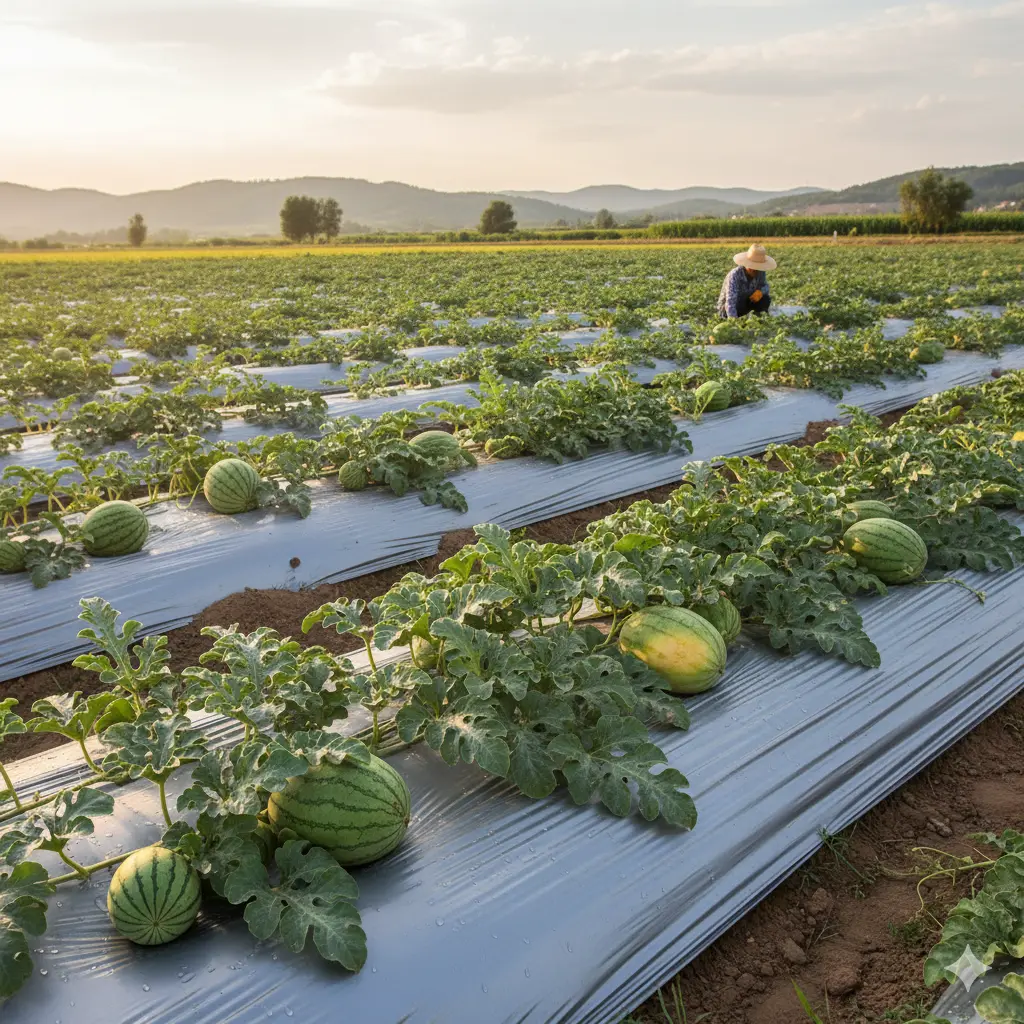
12 Micron Watermelon Mulching Film
Growing watermelons successfully requires more than just good seeds and adequate water. One of the most critical factors that determine harvest quality and quantity is soil management. 12 micron watermelon mulching film has emerged as a game-changing solution for modern farmers seeking to maximize their watermelon production while minimizing resource wastage.
This specialized agricultural plastic film creates an ideal growing environment by regulating soil temperature, retaining moisture, and suppressing weed growth. As one of the leading mulch film manufacturers in Indore, Brownfield India understands the unique challenges farmers face and offers premium quality mulching solutions tailored to watermelon cultivation.
What Is 12 Micron Watermelon Mulching Film?
12 micron watermelon mulching film refers to a polyethylene plastic sheet with a thickness of 12 microns (0.012 millimeters) specifically designed for watermelon farming. This optimal thickness strikes the perfect balance between durability and cost-effectiveness, making it the preferred choice among commercial watermelon growers.
The film acts as a protective barrier laid over the soil surface before or after planting. It comes in various colors, with black and silver-black being the most popular options for watermelon cultivation. Black mulch absorbs heat and warms the soil, while silver-black varieties reflect sunlight to moderate soil temperature in hotter climates.
Professional mulch film manufacturers produce these films using high-grade polyethylene resins that ensure UV stabilization and weather resistance. This guarantees the film remains intact throughout the entire growing season, typically 90-120 days for watermelons.
Key Benefits of Using 12 Micron Mulch Film for Watermelon Cultivation
- Enhanced Moisture Retention and Water Conservation
Watermelons require consistent moisture levels for optimal fruit development. watermelon mulching film significantly reduces water evaporation from the soil surface, maintaining stable moisture levels even during dry periods.
Studies from agricultural research institutions have shown that mulch film can reduce irrigation requirements by 30-50% compared to bare soil cultivation. This water conservation benefit becomes particularly valuable in regions facing water scarcity or where irrigation costs are substantial.
- Effective Weed Suppression
Weed competition is one of the primary challenges in watermelon farming. Weeds compete for nutrients, water, and sunlight, ultimately reducing crop yield. Black mulching film blocks sunlight penetration, preventing weed seed germination beneath the film.
This eliminates the need for frequent manual weeding or herbicide applications. Farmers can save significant labor costs while reducing their reliance on chemical weed control methods, making their farming practices more sustainable and environmentally friendly.
- Optimal Soil Temperature Regulation
Watermelons thrive in warm soil conditions, with ideal soil temperatures ranging between 21-35°C. The mulching film creates a greenhouse effect that warms the soil during cooler periods, promoting faster seed germination and robust root development.
In warmer climates, silver-black or white mulch films reflect excess heat, preventing soil temperatures from reaching levels that could damage root systems. This temperature moderation extends the growing season and improves overall plant health.
- Improved Fruit Quality and Cleanliness
12 micron watermelon mulching film provides a clean barrier between the developing fruit and soil. This prevents soil-borne diseases, reduces fruit rot, and keeps watermelons clean throughout the growing season.
The physical separation also minimizes pest damage from soil-dwelling insects. Cleaner fruits require less washing and handling during harvest, reducing post-harvest losses and improving marketability.
- Better Nutrient Management
Mulch film prevents nutrient leaching caused by excessive rainfall or irrigation. Water-soluble fertilizers remain concentrated in the root zone, ensuring plants have continuous access to essential nutrients.
This improved nutrient retention allows farmers to optimize their fertilization programs, potentially reducing fertilizer costs by 20-30%. The enhanced nutrient availability directly translates to healthier plants and higher-quality watermelons.
Why Choose Brownfield India as Your Mulch Film Manufacturers & Trader?
Brownfield India has established itself as one of the most trusted mulch film manufacturers in the agricultural sector. Our commitment to quality, innovation, and customer satisfaction sets us apart in the competitive marketplace.
Superior Quality Standards
Our 12 micron watermelon mulching film undergoes rigorous quality control testing to ensure consistent thickness, UV stabilization, and tensile strength. We use premium-grade polyethylene materials sourced from certified suppliers, guaranteeing product reliability throughout the growing season.
Each production batch is tested for puncture resistance, elongation properties, and weather durability. This attention to detail ensures farmers receive mulch film that performs optimally under diverse field conditions.
Customization Options
Understanding that different regions and farming practices have unique requirements, we offer customizable mulch film solutions. Farmers can choose from various colors, widths, and lengths to match their specific cultivation needs.
Our technical team works closely with clients to recommend the most suitable mulch film specifications based on their soil type, climate conditions, and watermelon varieties. This personalized approach maximizes the return on investment for every farmer.
Competitive Pricing and Reliable Supply
As experienced mulch film manufacturers in Indore, we maintain competitive pricing without compromising on quality. Our efficient production processes and strong supplier relationships enable us to offer cost-effective solutions to farmers across India.
We maintain adequate inventory levels to ensure uninterrupted supply during peak planting seasons. Our distribution network ensures timely delivery, so farmers can implement their mulching programs according to their planting schedules.
How to Install 12 Micron Watermelon Mulching Film Properly
Proper installation is crucial for maximizing the benefits of mulching film. Following best practices ensures optimal performance and longevity of the material.
- Land Preparation: Begin by preparing a well-leveled seedbed free from stones, sharp objects, and large soil clods. These can puncture the film and reduce its effectiveness. Apply basal fertilizers and incorporate them thoroughly before laying the mulch.
- Film Laying Technique: Lay the 12 micron watermelon mulching film over raised beds, ensuring it remains taut without excessive stretching. Secure the edges by burying them 10-15 cm deep in soil trenches on both sides of the bed.
- Planting Holes: Cut uniform planting holes at predetermined spacing intervals. For watermelons, typical spacing ranges from 60-90 cm between plants and 180-240 cm between rows, depending on the variety.
- Drip Irrigation Integration: Install drip irrigation lines beneath the mulch film before sealing the edges. This combination provides the most efficient water and nutrient delivery system for watermelon cultivation.
Environmental Considerations and Sustainable Alternatives
Modern agriculture must balance productivity with environmental stewardship. Responsible mulch film manufacturers & trader companies like Brownfield India recognize this imperative and are committed to sustainable practices.
Recyclable Materials
Our 12 micron watermelon mulching film is manufactured using recyclable polyethylene materials. After the growing season, used mulch films can be collected and recycled through appropriate channels, reducing plastic waste in agricultural landscapes.
We encourage farmers to participate in collection programs that facilitate proper disposal and recycling of used agricultural plastics. This closed-loop approach minimizes environmental impact while maintaining the economic benefits of plastic mulching.
Biodegradable Options
For environmentally conscious farmers, we offer biodegradable mulch film alternatives that decompose naturally after the growing season. These bio-based films provide similar benefits during the crop cycle while eliminating post-harvest removal and disposal concerns.
Though slightly more expensive than conventional polyethylene films, biodegradable options appeal to organic farmers and those targeting premium markets that value sustainable production methods.